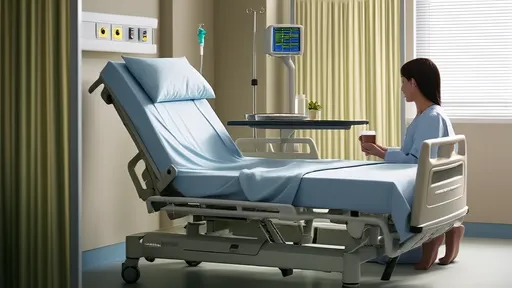
The world of caregiving has seen significant advancements in recent years, with a growing emphasis on improving the comfort and functionality of medical furniture. Among these innovations, the caregiving chair has emerged as a pivotal piece of equipment, particularly in hospital and home care settings. Designed to provide both support for patients and convenience for caregivers, these chairs are undergoing continuous refinement to meet the evolving demands of modern healthcare.
At the heart of this evolution lies the concept of core training for caregiving chairs. Unlike traditional designs that focus solely on patient seating, the latest models integrate ergonomic principles to enhance the caregiver's ability to assist effectively. This shift recognizes that the well-being of caregivers is just as crucial as that of patients, especially in environments where long hours and physical strain are common.
The modern caregiving chair is no longer a passive piece of furniture. Manufacturers are incorporating adjustable features that allow for seamless transitions between different caregiving tasks. From height adjustments to tilt mechanisms, these chairs are becoming more dynamic, enabling caregivers to maintain proper posture while attending to patients. This not only reduces physical strain but also improves the quality of care delivered.
Material innovation plays a significant role in the development of these chairs. Breathable fabrics, antimicrobial surfaces, and pressure-relieving cushions are now standard features in high-quality models. These materials are selected not just for patient comfort but also to facilitate easier cleaning and maintenance – a critical factor in healthcare environments where hygiene is paramount.
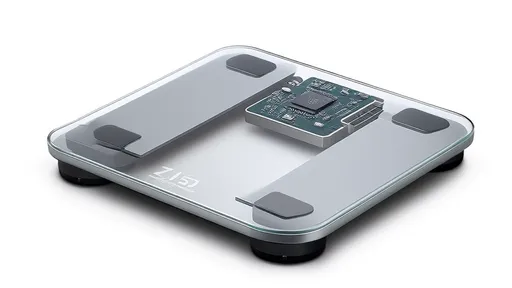
Another notable advancement is the integration of smart technology into caregiving chairs. Some models now include sensors that monitor patient movement and vital signs, providing caregivers with real-time data to inform their care strategies. This technological integration represents a significant leap forward in preventive care, allowing for early intervention when potential issues are detected.
The psychological impact of well-designed caregiving furniture should not be underestimated. Patients often experience anxiety and discomfort in medical settings, and the right chair can provide a sense of security and normalcy. For caregivers, having equipment that supports their physical needs can reduce stress and prevent burnout, ultimately leading to better patient outcomes.
Training programs for healthcare professionals are beginning to incorporate instruction on optimal use of caregiving chairs. Proper adjustment techniques, weight distribution principles, and movement strategies are becoming part of standard caregiver education. This recognition of equipment proficiency as a clinical skill marks an important shift in how we approach patient care logistics.
Looking ahead, the caregiving chair industry shows no signs of slowing its innovation. Researchers are exploring possibilities like AI-assisted adjustment systems, self-sanitizing surfaces, and even more sophisticated monitoring capabilities. As our understanding of ergonomics and caregiving dynamics deepens, these chairs will likely become even more integral to quality healthcare delivery.
The economic implications of improved caregiving chairs are worth considering. While advanced models may carry higher upfront costs, their potential to reduce caregiver injuries, improve efficiency, and enhance patient recovery times could lead to significant long-term savings for healthcare systems. This cost-benefit analysis is driving increased investment in research and development within the sector.
Ultimately, the evolution of caregiving chairs reflects broader changes in how we approach healthcare. By recognizing the interconnected needs of patients and caregivers, and by applying technological and ergonomic innovations to meet those needs, we're creating care environments that are safer, more comfortable, and more effective for all involved. The humble caregiving chair, once an afterthought, has become a focal point in the pursuit of better healthcare outcomes.

By /Aug 14, 2025
By /Aug 14, 2025

By /Aug 14, 2025

By /Aug 14, 2025

By /Aug 14, 2025

By /Aug 14, 2025

By /Aug 14, 2025
By /Aug 14, 2025

By /Aug 14, 2025

By /Aug 14, 2025

By /Aug 14, 2025
By /Aug 14, 2025

By /Aug 14, 2025

By /Aug 14, 2025
By /Aug 14, 2025
By /Aug 14, 2025

By /Aug 14, 2025

By /Aug 14, 2025

By /Aug 14, 2025

By /Aug 14, 2025