In an unexpected yet brilliant twist of sustainability, old running shoes are finding new life as gardening tools. What was once considered waste is now being repurposed into functional items for green thumbs. This innovative approach not only reduces landfill waste but also provides gardeners with unique, ergonomic tools that blend comfort with utility.
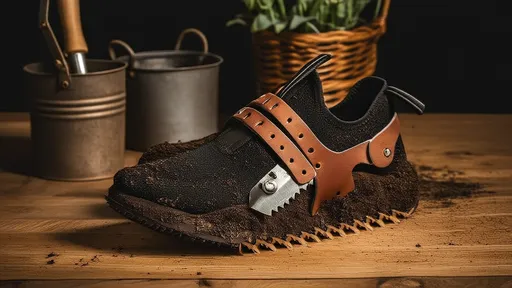
The idea emerged from observing the durable materials used in athletic footwear. The thick rubber soles, cushioned midsoles, and flexible uppers proved surprisingly adaptable for gardening applications. Enthusiasts began experimenting, cutting and reshaping worn-out sneakers into everything from hand trowels to knee pads. The results were so promising that DIY tutorials and small-scale upcycling initiatives started gaining traction online.
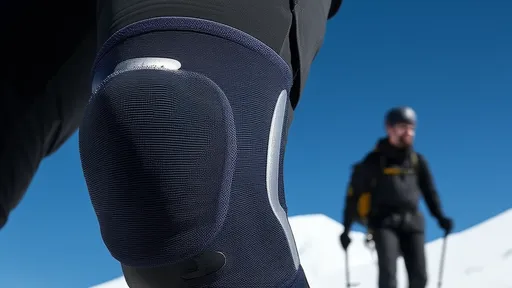
Breathing new life into discarded footwear requires some creativity. The process typically begins by thoroughly cleaning the shoes to remove dirt and odor. Then, strategic cuts are made to separate different components. The sturdy outsole often becomes the base for small digging tools or protective coverings for delicate plants. Meanwhile, the soft foam from the midsole can be carved into comfortable grips for homemade tools or used as padding for kneeling during long gardening sessions.
One particularly clever adaptation involves transforming the toe box area into a miniature scoop for transferring soil or fertilizer. The curved shape naturally lends itself to this function, while the reinforced toe cap provides durability. Some gardeners have even used the shoelace holes to attach their creations to belts or garden fences for easy access while working.
The environmental impact of this trend shouldn't be underestimated. Athletic shoes are notoriously difficult to recycle due to their complex composition of various materials bonded together. By finding practical second uses for them, we're diverting significant amounts of waste from landfills. It's estimated that a single pair of running shoes can take 30-40 years to decompose naturally, making these repurposing efforts particularly valuable from an ecological standpoint.
Beyond sustainability, these upcycled tools offer unexpected ergonomic benefits. Running shoes are designed to support human biomechanics, and these qualities translate well to gardening implements. The cushioning that once absorbed impact during runs now protects hands and knees during prolonged gardening. The arch support built into many athletic shoes makes for surprisingly comfortable handles when adapted to small tools.
Community workshops have begun springing up to teach these conversion techniques. Participants bring their old sneakers and leave with customized gardening implements, along with the knowledge to create more. These events often spark creative exchanges, with attendees sharing their own innovative adaptations and improvements on the basic concepts.
Commercial ventures are taking notice of this grassroots movement. Several eco-conscious companies have started offering modified versions of these DIY concepts, using donated athletic shoes to create professional-grade gardening tools. These products maintain the homemade charm while incorporating more refined manufacturing techniques for increased durability and functionality.
The crossover between athletic gear and gardening supplies makes more sense when considering the similarities between runners and gardeners. Both groups appreciate quality equipment that can withstand repetitive use while providing comfort. Both activities involve spending significant time outdoors and caring for one's physical well-being. This unexpected synergy has created a natural bridge between two seemingly disparate communities.
As the movement grows, so do the applications. Some inventive gardeners have used multiple pairs of shoes to create larger implements like small rakes or even decorative elements for their gardens. The colorful uppers of athletic footwear add vibrant accents when incorporated into garden art or plant markers. The possibilities seem limited only by imagination and the availability of worn-out sneakers.
This trend represents more than just clever recycling. It embodies a shift in how we view objects at the end of their intended lifespan. Rather than seeing used running shoes as worthless, practitioners of this craft recognize the inherent value in their materials and design. This mindset could inspire similar innovations across other product categories, potentially revolutionizing our approach to waste and resourcefulness.
Educational programs have begun incorporating shoe upcycling into their sustainability curricula. Students learn not only the practical skills of transformation but also the broader principles of circular economies and creative problem-solving. These lessons often spark interest in other environmental initiatives, creating ripple effects beyond the gardening sphere.
The social aspect of this movement has proven equally valuable. Online communities dedicated to shoe upcycling share techniques, troubleshoot challenges, and celebrate creative successes. These platforms have become hubs for like-minded individuals to connect over shared interests in gardening, sustainability, and innovation. The collective knowledge grows with each participant's contributions.
Looking ahead, the potential for growth seems limitless. As awareness spreads, more runners may intentionally choose shoes with future gardening applications in mind. Manufacturers might even begin designing footwear with eventual repurposing as a consideration. Such developments could further bridge the gap between product design and sustainable end-of-life solutions.
For now, the simple act of converting old sneakers into garden tools serves as a powerful reminder of human ingenuity. In a world grappling with waste management challenges, solutions sometimes come from unexpected places. The marriage of running shoes and gardening implements proves that with creativity and effort, we can find value where others see only trash.

By /Aug 14, 2025
By /Aug 14, 2025

By /Aug 14, 2025

By /Aug 14, 2025

By /Aug 14, 2025

By /Aug 14, 2025

By /Aug 14, 2025

By /Aug 14, 2025

By /Aug 14, 2025

By /Aug 14, 2025

By /Aug 14, 2025
By /Aug 14, 2025
By /Aug 14, 2025
By /Aug 14, 2025

By /Aug 14, 2025
By /Aug 14, 2025
By /Aug 14, 2025
By /Aug 14, 2025
By /Aug 14, 2025
By /Aug 14, 2025
