For fitness enthusiasts who carry their gear daily, a well-organized gym bag can make all the difference between a smooth workout session and a frustrating scramble for misplaced items. While most commercial gym bags come with standard compartments, they often fall short of addressing individual needs. This is where custom compartment modifications come into play – transforming an ordinary bag into a personalized organizational powerhouse that adapts to your unique routine.
The foundation of any successful gym bag overhaul begins with assessing your daily essentials. A swimmer’s requirements differ vastly from a weightlifter’s; yoga practitioners need quick access to mats and straps, while cross-training athletes juggle multiple accessories. Take inventory of everything you carry – from shoes and towels to resistance bands and protein shakers – noting which items are used together or require separate storage. This audit reveals the shortcomings of your current bag’s layout and highlights opportunities for improvement.
Breathable mesh partitions prove invaluable for separating sweaty clothes from clean items without sacrificing ventilation. Many athletes retrofit their bags with lightweight mesh pouches that attach via Velcro or magnetic strips, creating dynamic zones that prevent odor transfer. For those who carry damp swimsuits or post-workout attire, waterproof silicone-lined pockets with drainage grommets can be added along the bag’s lower perimeter, containing moisture effectively while keeping other compartments dry.
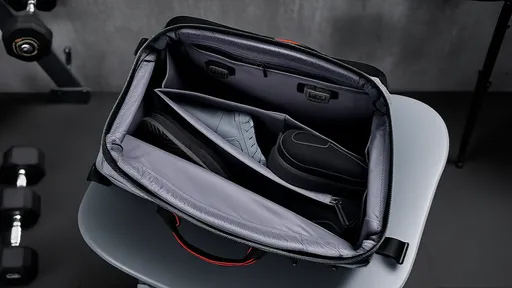
Footwear storage demands special consideration in any gym bag redesign. The traditional approach of tossing shoes into the main compartment leads to dirt transfer and unpleasant odors. Custom solutions range from fold-out shoe sleeves with anti-microbial lining to suspended breathable cages that keep footwear isolated. Some DIY enthusiasts create collapsible shoe tunnels using stiffened fabric and toggle closures, while others install removable PVC trays at the bag’s base for easy cleaning. The key lies in positioning footwear storage for convenient access without compromising hygiene.
Tech integration represents another crucial aspect of modern gym bag organization. Rather than letting cables and devices tumble freely, tailored solutions like neoprene tablet sleeves with charging port cutouts or elasticized cable organizers maintain order. Magnetic accessory panels allow for customizable arrangement of earbud cases, power banks, and fitness trackers, while RF-shielded pockets protect credit cards and key fobs from damage. These tech-specific modifications prevent tangling and damage while ensuring quick access between sets.
The true artistry of compartment customization emerges in creating flexible systems that adapt to varying workout regimens. Modular divider panels with adjustable heights accommodate everything from tall water bottles to folded yoga mats. Transparent vinyl pockets for workout cards or nutrition plans keep critical information visible yet protected. Some athletes incorporate rotating carousel systems for supplements, allowing single-handed access to different powders or pills without unpacking the entire bag. This level of personalization transforms the gym bag from passive container to active training partner.
Material selection plays a pivotal role in successful modifications. Lightweight yet durable fabrics like Cordura nylon or polyester canvas withstand frequent adjustments without tearing. For wet items, quick-drying laminates prevent mildew buildup, while padded sections protect delicate equipment. Reflective strips added to new compartments enhance visibility during nighttime workouts, and antimicrobial treatments maintain hygiene. The best modifications consider not just organization but also the longevity and safety of stored items.
Beyond physical dividers, innovative closure systems complete the organizational picture. Traditional zippers give way to combination locks for valuables, magnetic flaps for quick snack access, and compression straps for compact storage. Color-coded pull tabs help identify compartments by touch alone, while glow-in-the-dark markers assist in low-light environments. These thoughtful details bridge the gap between mere storage and intelligent accessibility, saving precious minutes during time-crunched gym sessions.
Maintaining the modified system requires periodic evaluation as workout needs evolve. What worked during marathon training may prove inefficient for HIIT classes, necessitating divider repositioning or accessory swaps. The most successful gym bag transformations remain fluid, adapting to changing fitness goals while retaining core organizational principles. This dynamic approach ensures your customized solution continues to serve rather than constrain your athletic journey.
Ultimately, a thoughtfully modified gym bag compartment system does more than organize gear – it streamlines the transition between daily life and workout mode. By eliminating the friction of searching for items or worrying about cross-contamination, these custom solutions allow athletes to focus energy where it matters most: on performance. The investment in tailoring your bag pays dividends every time you reach instinctively for the right item without breaking concentration, turning organizational efficiency into a competitive advantage.

By /Aug 14, 2025
By /Aug 14, 2025

By /Aug 14, 2025

By /Aug 14, 2025

By /Aug 14, 2025

By /Aug 14, 2025

By /Aug 14, 2025

By /Aug 14, 2025

By /Aug 14, 2025

By /Aug 14, 2025

By /Aug 14, 2025
By /Aug 14, 2025

By /Aug 14, 2025

By /Aug 14, 2025

By /Aug 14, 2025
By /Aug 14, 2025
By /Aug 14, 2025

By /Aug 14, 2025

By /Aug 14, 2025

By /Aug 14, 2025