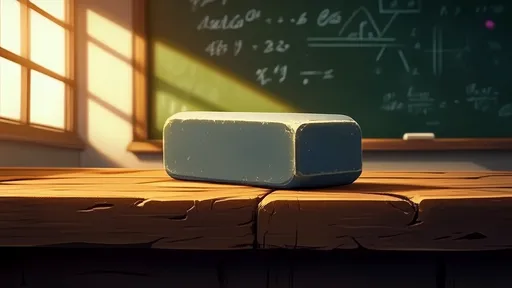
The quiet intensity of exam halls has always carried an unspoken ritual—the rhythmic scratching of pencils, the occasional sigh, and the furtive glances at the clock. Among these rituals, one often overlooked yet crucial tool is the humble eraser. Exam eraser training, though it may sound peculiar, has emerged as a niche but fascinating practice among students aiming for precision under pressure. The idea isn’t just about correcting mistakes but mastering the art of doing so swiftly and seamlessly, without disrupting the flow of thought or drawing unnecessary attention.
In competitive environments, every second counts. A poorly executed erasure can smudge the paper, tear the surface, or worse, leave ghostly remnants of previous answers that confuse both the student and the examiner. This is where eraser training comes into play. Students practice not only how to erase cleanly but also how to gauge the pressure needed for different types of paper and pencil leads. The goal is to make corrections almost invisible, ensuring the final submission is as pristine as possible. It’s a subtle skill, but one that can make a difference in high-stakes exams where clarity is paramount.
The tools themselves matter. Not all erasers are created equal, and seasoned exam-takers often have strong preferences. Some swear by vinyl erasers for their clean, residue-free performance, while others prefer kneaded erasers for their gentleness on paper. There’s even a subset of students who meticulously trim their erasers into fine points for pinpoint accuracy, especially in subjects like mathematics or drafting where precision is non-negotiable. The choice of eraser becomes a personal statement, much like a violinist’s bow or a painter’s brush.
Beyond the physical act of erasing, there’s a psychological component to this training. The ability to correct mistakes calmly and efficiently can reduce test anxiety. Knowing that errors can be undone neatly allows students to focus on problem-solving rather than fearing imperfections. This mental reassurance is invaluable, particularly in exams where time pressure amplifies stress. The eraser, in this context, transforms from a simple tool into a psychological crutch—a silent ally in the battle against self-doubt.
Interestingly, eraser training has also sparked discussions about the broader philosophy of mistakes. In cultures where perfection is heavily emphasized, the act of erasing can carry a stigma—a visible admission of error. But proponents argue that embracing corrections as part of the process fosters resilience. It’s not about pretending mistakes don’t happen but about handling them with grace and efficiency. This mindset shift is slowly gaining traction, particularly in educational systems that prioritize growth over rote perfection.
Workshops and online tutorials dedicated to eraser techniques have begun popping up, often initiated by former students who’ve honed their methods through trial and error. These sessions cover everything from the angle at which to hold the eraser to the optimal speed for minimizing friction. Some even incorporate drills, like timed erasing challenges, to simulate exam conditions. What might seem trivial at first glance reveals layers of nuance when examined closely, proving that even the smallest aspects of test-taking can be refined into an art form.
The phenomenon isn’t limited to academic settings. Artists, architects, and designers have long understood the importance of a good eraser in their workflows. For them, erasing isn’t just about fixing errors but about iterating—a necessary step in the creative process. This cross-disciplinary appreciation highlights how foundational the skill truly is. Perhaps exam eraser training is merely an extension of this universal truth: mastery lies not just in creating but in revising, adapting, and improving.
As absurd as it may sound to the uninitiated, eraser training underscores a deeper truth about human performance. Excellence often resides in the details, the marginal gains that collectively tip the scales. In a world where exams increasingly determine futures, students are leaving nothing to chance—not even the way they erase. And who can blame them? When the difference between an A and a B might hinge on a single smudge, the eraser ceases to be an afterthought. It becomes a weapon of precision, wielded with practiced ease by those who’ve learned its secrets.

By /Aug 14, 2025
By /Aug 14, 2025

By /Aug 14, 2025

By /Aug 14, 2025

By /Aug 14, 2025

By /Aug 14, 2025
By /Aug 14, 2025

By /Aug 14, 2025

By /Aug 14, 2025

By /Aug 14, 2025

By /Aug 14, 2025
By /Aug 14, 2025

By /Aug 14, 2025

By /Aug 14, 2025
By /Aug 14, 2025

By /Aug 14, 2025
By /Aug 14, 2025

By /Aug 14, 2025

By /Aug 14, 2025

By /Aug 14, 2025
