The world of wearable technology has evolved rapidly over the past decade, with fitness trackers and smartwatches becoming ubiquitous accessories for health-conscious individuals. Among the many features that consumers consider when purchasing these devices, waterproofing has emerged as a critical factor. The ability to withstand water exposure not only expands the range of activities during which the device can be worn but also serves as an indicator of overall build quality and durability.
Manufacturers employ various methods to test the waterproof capabilities of their wearable devices, pushing them to their absolute limits to ensure reliability in real-world conditions. These rigorous testing procedures go far beyond simple splash resistance, subjecting devices to extreme pressures, prolonged submersion, and rapid temperature changes that mimic the challenges of daily use.
Understanding Waterproof Ratings
The first step in comprehending waterproof testing involves deciphering the various rating systems used across the industry. The Ingress Protection (IP) rating system remains the most widely recognized standard, with two digits following the "IP" prefix. The first digit indicates protection against solid particles, while the second specifically addresses liquid ingress. For fitness trackers and smartwatches, the second digit proves most relevant, with common ratings including IP67 (protected against temporary immersion) and IP68 (protected against continuous immersion).
Some manufacturers opt for ATM (atmosphere) ratings instead, particularly for devices marketed toward swimmers and divers. These ratings indicate the static pressure a device can withstand, with 1 ATM equaling 10 meters of water pressure. However, these numbers can be misleading, as they represent laboratory conditions rather than real-world scenarios involving movement, temperature fluctuations, and water chemistry variations.
Laboratory Testing Procedures
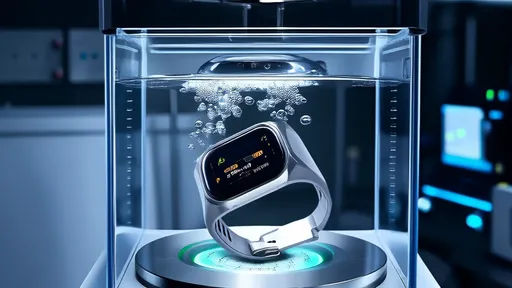
Behind the scenes, manufacturers subject their devices to exhaustive testing protocols that far exceed the advertised specifications. In controlled laboratory environments, engineers place devices in specialized pressure chambers that simulate various depths. These tests don't merely verify that the device survives immersion but also check for any moisture penetration that could lead to corrosion over time.
Temperature cycling forms another crucial component of waterproof testing. Devices undergo rapid transitions between hot and cold environments while submerged to test the integrity of seals and gaskets. This process helps identify potential failure points that might not appear under stable conditions. Many manufacturers also incorporate chemical resistance testing, exposing devices to chlorinated water, salt water, and other common liquids to assess long-term durability.
Real-World Simulation Testing
Beyond laboratory conditions, forward-thinking companies have developed sophisticated real-world simulation tests. These involve mounting devices on robotic arms that mimic human movement patterns while submerged, recreating the dynamic pressures experienced during swimming or other water activities. The robotic testing can continue for hundreds or even thousands of cycles to simulate years of use in a compressed timeframe.
Some manufacturers have taken testing to extreme levels, subjecting devices to high-velocity water jets, turbulent wave action, and even simulated waterfall conditions. These tests help identify weaknesses in button designs, charging port covers, and microphone/speaker membranes that might fail under unusual but plausible circumstances.
Materials and Engineering Breakthroughs
The push for better waterproofing has driven significant innovations in materials science and engineering design. Modern fitness trackers now incorporate advanced polymer seals that maintain flexibility across a wide temperature range while providing superior moisture barriers. Laser welding techniques have replaced traditional adhesives in many high-end devices, creating seamless bonds that resist water penetration far more effectively.
Perhaps most impressively, some manufacturers have developed breathable yet waterproof membranes that allow air pressure equalization while blocking liquid water. These technological advancements enable more accurate altimeter and barometer readings in smartwatches while maintaining waterproof integrity—a feat that seemed impossible just a few years ago.
The Human Factor in Testing
While machines perform the majority of waterproof testing, human testers still play a vital role in the evaluation process. Professional athletes, including Olympic swimmers and triathletes, wear prototype devices during training to provide real-world feedback. These athletes push the devices to their absolute limits, often identifying failure modes that laboratory testing misses.
Consumer testing programs have also become more sophisticated, with manufacturers recruiting diverse groups of users to wear devices in various water environments—from tropical oceans to chlorinated pools to mineral-rich hot springs. This broad-spectrum testing helps ensure reliable performance across the wide range of conditions users might encounter.
Future Directions in Waterproof Testing
As wearable technology continues to advance, waterproof testing methodologies must evolve accordingly. Emerging challenges include maintaining waterproof integrity while incorporating more advanced sensors, flexible displays, and modular components. Some manufacturers are experimenting with self-healing materials that can automatically seal minor breaches, potentially revolutionizing waterproof standards.
Another frontier involves developing standardized testing for water vapor resistance—a crucial factor for devices worn in humid environments or during intense physical activity. Current waterproof ratings don't account for this type of moisture ingress, which can be equally damaging to electronic components over time.
The quest for perfect waterproofing continues to drive innovation in the wearable technology sector, with each generation of devices pushing the boundaries of what's possible. As testing methods become more sophisticated and standards more rigorous, consumers can expect even greater reliability from their water-resistant devices in the years to come.

By /Aug 14, 2025
By /Aug 14, 2025

By /Aug 14, 2025

By /Aug 14, 2025

By /Aug 14, 2025

By /Aug 14, 2025

By /Aug 14, 2025

By /Aug 14, 2025

By /Aug 14, 2025

By /Aug 14, 2025
By /Aug 14, 2025
By /Aug 14, 2025
By /Aug 14, 2025

By /Aug 14, 2025
By /Aug 14, 2025
By /Aug 14, 2025
By /Aug 14, 2025
By /Aug 14, 2025
By /Aug 14, 2025
By /Aug 14, 2025
