High-Altitude Snacks Increase Consumption"

Aug 14, 2025 By

The crisp mountain air and breathtaking vistas of high-altitude destinations have long attracted adventurers and travelers. Yet few visitors consider how these elevated environments might influence their eating habits, particularly their snack consumption. Recent studies and anecdotal evidence suggest that time spent at high altitudes significantly increases snack cravings and consumption patterns, creating unique challenges for both travelers and residents.

The Physiology of Hunger at Elevation

When the human body ascends to altitudes above 2,500 meters (8,200 feet), it enters a state of physiological stress. The decreased oxygen availability triggers a cascade of metabolic changes. Researchers at the University of Colorado's Altitude Research Center have found that basal metabolic rates can increase by 15-25% at high elevations as the body works harder to oxygenate tissues. This elevated metabolism creates a constant demand for quick energy sources, manifesting as persistent hunger pangs and cravings for calorie-dense snacks.

Simultaneously, the body's production of leptin - the hormone responsible for signaling satiety - decreases at altitude. A 2019 study published in the Journal of Wilderness Medicine demonstrated that subjects at 3,000 meters experienced leptin levels 30% lower than their sea-level baseline. This hormonal shift creates a perfect storm for snack cravings: the body burns more calories while its ability to recognize fullness diminishes.

The Carbohydrate Conundrum

High-altitude environments particularly amplify cravings for carbohydrates. The body's increased energy demands make quick-burning carbs especially appealing. Mountain guides frequently report clients consuming triple their normal snack quantities during multi-day treks, with carbohydrate-rich foods like energy bars, crackers, and dried fruit disappearing fastest from supply packs.

Dr. Elena Petrov, a nutrition specialist at the Nepal International Clinic in Kathmandu, observes this phenomenon daily among trekkers. "They come in complaining of insatiable hunger, even after full meals," she notes. "Their bodies are essentially screaming for glucose to fuel the extra work of oxygen transport. I advise clients to pack twice as many snacks as they'd normally consume at home."

Dehydration's Sneaky Role

The extreme dryness of high-altitude air accelerates fluid loss through respiration and perspiration, often leading to chronic mild dehydration. What many don't realize is that the body frequently misinterprets early dehydration signals as hunger pangs. This confusion leads to unnecessary snacking when what the body actually needs is water.

Seasoned mountaineers develop tricks to distinguish true hunger from dehydration. "I always drink a full glass of water when I first feel snack cravings," explains professional guide Mark Henderson, who has led over 50 Everest Base Camp treks. "If the hunger persists after 20 minutes, then I'll eat. About half the time, the water alone satisfies what I thought was hunger."

Cultural Adaptations to Altitude Eating

Indigenous high-altitude populations have developed fascinating food traditions that naturally address increased nutritional needs. In the Andes, coca leaves serve as both stimulant and appetite suppressant. Tibetan communities consume copious amounts of butter tea - a calorie-dense mixture that provides both hydration and fat energy. Sherpa climbers carry "sattu" - roasted barley flour mixed with tea that delivers slow-release carbohydrates.

Modern snack manufacturers are beginning to recognize this niche market. Several companies now produce altitude-specific energy bars with adjusted carbohydrate-to-protein ratios. These products often include ingredients like maca root, which grows at high elevations and may help the body adapt to oxygen scarcity.

The Psychology of Elevation Eating

Beyond physiological factors, psychological elements contribute to increased snacking at altitude. The combination of breathtaking scenery and physical exertion creates powerful associations between rewarding views and rewarding snacks. Many trekkers develop habits of stopping at scenic overlooks for a snack break, creating conditioned responses that persist even when energy needs don't justify the calories.

Additionally, the mental fatigue of constant navigation and altitude adjustment depletes willpower reserves, making it harder to resist snack temptations. "At sea level I'd never eat three chocolate bars in a morning," confesses frequent trekker Sarah Wilkins. "But when you're exhausted at 4,000 meters, that extra sugar feels like a survival necessity."

Practical Implications for Travelers

Understanding this phenomenon allows for better preparation. Nutritionists recommend packing diverse snacks combining fast and slow energy sources - for instance, pairing quick sugars (like candy) with sustaining fats (like nuts). Hydration monitoring proves equally crucial; carrying electrolyte tablets can help maintain proper mineral balance when drinking increased water quantities.

Perhaps most importantly, travelers should abandon sea-level expectations about portion control. The body's increased demands at altitude are real and immediate. Rather than fighting cravings, the healthiest approach involves mindful snacking on nutrient-dense foods that satisfy both energy needs and psychological comfort.

As adventure tourism continues growing in popularity, awareness of altitude's dietary impacts becomes increasingly relevant. The mountains change us in profound ways - including how and what we eat. By understanding and accommodating these changes, travelers can better fuel their high-altitude experiences without guilt or digestive distress.

Recommend Posts
Fitness

Emergency Case for Sweatsuit

By /Aug 14, 2025

In recent years, the fitness industry has witnessed a surge in popularity of so-called "sweat suits" or sauna suits—garments designed to promote excessive sweating during workouts. Marketed as quick weight-loss solutions, these suits have become a staple for many fitness enthusiasts. However, beneath their promising facade lies a growing number of medical emergencies linked to their use. Hospitals and emergency rooms are reporting an alarming increase in cases of dehydration, heatstroke, and even cardiac incidents attributed to these products.
Fitness

Risk of Hip Disc Herniation X-ray

By /Aug 14, 2025

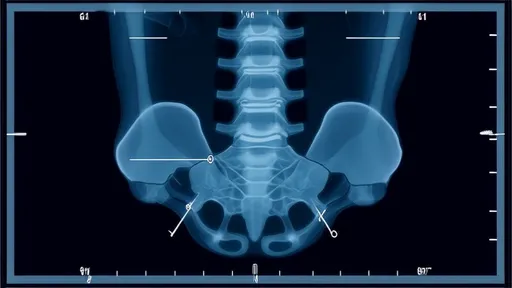
The growing popularity of waist-twisting discs in home fitness routines has sparked unexpected concerns among medical professionals. Recent radiographic studies reveal alarming patterns of spinal misalignment and joint stress in frequent users of these unassuming devices. What began as a harmless alternative to gym equipment may be quietly contributing to chronic back problems in middle-aged enthusiasts.
Fitness

Sands and Dust Breathing Technique

By /Aug 14, 2025

The ancient practice of Dust Breath Method has resurfaced in recent years as modern wellness enthusiasts rediscover its purported benefits. Originating from arid regions where sandstorms were common, this unconventional technique involves controlled breathing amidst fine particulate matter to allegedly strengthen respiratory systems. While controversial in medical circles, practitioners claim it builds lung capacity, filters impurities, and connects breathers to elemental forces.
Fitness

Fluorescent Stick Weight-Bearing Dance

By /Aug 14, 2025

The world of performance art constantly evolves, pushing boundaries and blending disciplines in unexpected ways. One of the most visually striking developments in recent years has been the emergence of glow stick weight dancing, a mesmerizing fusion of dance, athleticism, and luminescent technology. This avant-garde performance style combines the fluidity of contemporary dance with the physical demands of weight training, all illuminated by the pulsating glow of chemical light sticks.
Fitness

Plum Rain Anti-Mold Techniques

By /Aug 14, 2025

The arrival of the rainy season brings with it a host of challenges, particularly when it comes to preventing mold growth in homes and workplaces. Humidity levels soar during this period, creating the perfect breeding ground for mold and mildew, which can not only damage property but also pose serious health risks. Understanding how to combat this issue effectively requires a blend of traditional wisdom and modern techniques.
Fitness

High-Altitude Snacks Increase Consumption"

By /Aug 14, 2025

The crisp mountain air and breathtaking vistas of high-altitude destinations have long attracted adventurers and travelers. Yet few visitors consider how these elevated environments might influence their eating habits, particularly their snack consumption. Recent studies and anecdotal evidence suggest that time spent at high altitudes significantly increases snack cravings and consumption patterns, creating unique challenges for both travelers and residents.
Fitness

Erasers Training for Exam Halls

By /Aug 14, 2025

The quiet intensity of exam halls has always carried an unspoken ritual—the rhythmic scratching of pencils, the occasional sigh, and the furtive glances at the clock. Among these rituals, one often overlooked yet crucial tool is the humble eraser. Exam eraser training, though it may sound peculiar, has emerged as a niche but fascinating practice among students aiming for precision under pressure. The idea isn’t just about correcting mistakes but mastering the art of doing so swiftly and seamlessly, without disrupting the flow of thought or drawing unnecessary attention.
Fitness

Core Training for Companion Chairs

By /Aug 14, 2025

The world of caregiving has seen significant advancements in recent years, with a growing emphasis on improving the comfort and functionality of medical furniture. Among these innovations, the caregiving chair has emerged as a pivotal piece of equipment, particularly in hospital and home care settings. Designed to provide both support for patients and convenience for caregivers, these chairs are undergoing continuous refinement to meet the evolving demands of modern healthcare.
Fitness

KTV Mike Practices Grip Strength"

By /Aug 14, 2025

In the bustling world of fitness trends, an unexpected tool has emerged as a potential ally for grip strength training: the humble KTV microphone. While most people associate karaoke microphones with belting out tunes and social gatherings, fitness enthusiasts and physical therapists are beginning to recognize their unique potential for improving hand strength and dexterity.
Fitness

Economy Stretch 2.0

By /Aug 14, 2025

The aviation industry is undergoing a quiet revolution, one that promises to transform the experience of economy class travelers. Dubbed "Economy Class Stretch 2.0," this movement represents a fundamental rethinking of how airlines approach their most abundant yet often overlooked customer segment. What began as minor seat adjustments has evolved into a comprehensive redesign philosophy that challenges long-held assumptions about budget air travel.
Fitness

Waterproof Limit Test of the Wristband

By /Aug 14, 2025

The world of wearable technology has evolved rapidly over the past decade, with fitness trackers and smartwatches becoming ubiquitous accessories for health-conscious individuals. Among the many features that consumers consider when purchasing these devices, waterproofing has emerged as a critical factor. The ability to withstand water exposure not only expands the range of activities during which the device can be worn but also serves as an indicator of overall build quality and durability.
Fitness

Transforming the Compartments of a Gym Bag

By /Aug 14, 2025

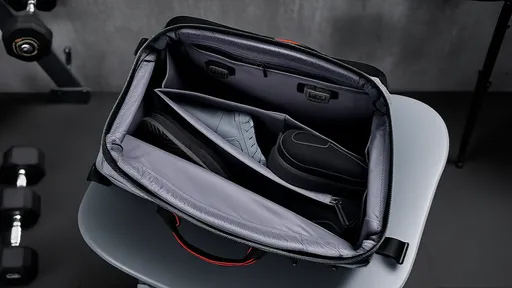
For fitness enthusiasts who carry their gear daily, a well-organized gym bag can make all the difference between a smooth workout session and a frustrating scramble for misplaced items. While most commercial gym bags come with standard compartments, they often fall short of addressing individual needs. This is where custom compartment modifications come into play – transforming an ordinary bag into a personalized organizational powerhouse that adapts to your unique routine.
Fitness

Anti-Fog Techniques for Sports Glasses

By /Aug 14, 2025

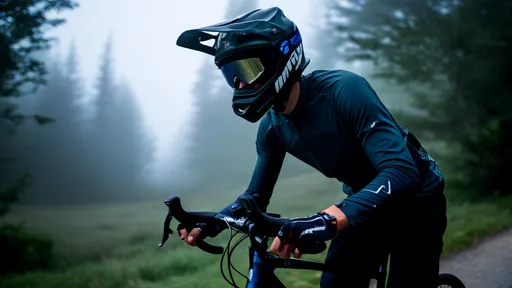
For athletes and outdoor enthusiasts, fogged-up glasses can be more than just a minor annoyance—it can hinder performance and even pose safety risks. Whether you're cycling down a steep trail, skiing through fresh powder, or running in humid conditions, clear vision is non-negotiable. The science behind fogging is simple yet frustrating: when warm, moist air from your body meets the cooler surface of your lenses, condensation forms. Fortunately, advancements in lens technology and clever DIY solutions have made it easier than ever to keep your sports glasses fog-free.
Fitness

Quick-Dry Clothing Tie-Dye Tutorial

By /Aug 14, 2025

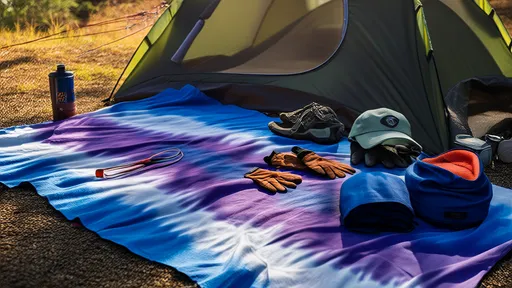
The art of tie-dye has made a remarkable comeback in recent years, finding its way from hippie festivals to mainstream fashion. Among the most popular canvases for this vibrant craft are quick-dry shirts - those moisture-wicking athletic tops that have become wardrobe staples for athletes, gym enthusiasts, and comfort-seekers alike. The marriage of performance fabric and psychedelic patterns creates wearable art that's both functional and expressive.
Fitness

Body Fat Scale Compensation Formula

By /Aug 14, 2025

The world of fitness technology has evolved dramatically over the past decade, with body fat scales becoming a staple in many households. These devices promise to deliver accurate readings of body composition, including metrics like muscle mass, water percentage, and of course, body fat. However, as users become more sophisticated in their understanding of these measurements, questions arise about the accuracy of these scales—particularly in how they compensate for variables like hydration levels, bone density, and even the time of day. This has led to the development and refinement of body fat scale compensation formulas, algorithms designed to adjust raw data to better reflect true body composition.
Fitness

Sports Waist Pack, Umbrella Storage

By /Aug 14, 2025

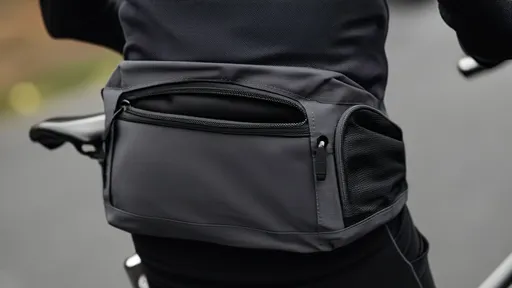
In the world of athletic gear, innovation never stops. The latest trend catching the attention of fitness enthusiasts and outdoor adventurers alike is the integration of an umbrella compartment into sports waist packs. This seemingly small addition is revolutionizing how people approach their workouts, hikes, and daily commutes, blending practicality with modern design.
Fitness

Touchscreen Fingers for Fitness Gloves

By /Aug 14, 2025

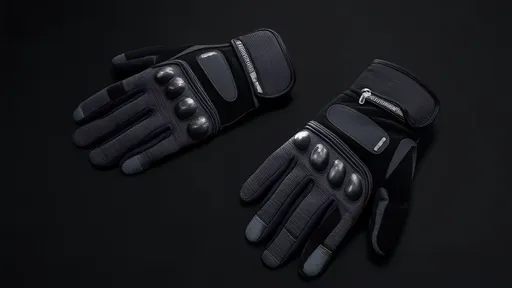
The fitness world is constantly evolving, and one of the latest innovations making waves is the introduction of touchscreen-compatible fitness gloves. These gloves are designed to bridge the gap between intense workout sessions and the need to stay connected in our tech-driven lives. No longer do gym-goers have to choose between answering an urgent call or finishing their set—these gloves allow for seamless interaction with smartphones and other touchscreen devices without compromising on performance.
Fitness

Knee Support with Ice Silk Cooling Version

By /Aug 14, 2025

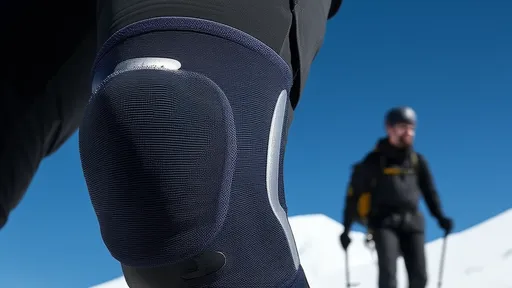
In the ever-evolving world of athletic gear, one product has been generating significant buzz among athletes and fitness enthusiasts alike: the Ice Silk Cooling Knee Brace. This innovative piece of equipment promises not only to provide support but also to keep the wearer cool during intense physical activity. As temperatures rise and workouts become more demanding, the need for gear that can mitigate heat buildup while offering protection has never been greater.
Fitness

Transforming Running Shoes into Gardening Tools

By /Aug 14, 2025

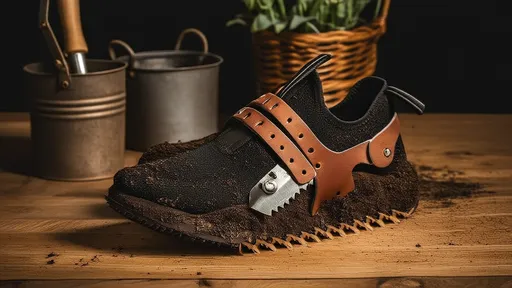
In an unexpected yet brilliant twist of sustainability, old running shoes are finding new life as gardening tools. What was once considered waste is now being repurposed into functional items for green thumbs. This innovative approach not only reduces landfill waste but also provides gardeners with unique, ergonomic tools that blend comfort with utility.
Fitness

Repairing Holes in Sports Socks with Embroidery"

By /Aug 14, 2025

In the world of fashion and sustainability, a curious trend has emerged—one that transforms the mundane into the extraordinary. The humble athletic sock, often relegated to the depths of gym bags and laundry piles, has become an unlikely canvas for creativity. What was once a sign of wear and tear—the dreaded hole in a sock—is now being reimagined through delicate embroidery, turning flaws into focal points. This movement isn’t just about aesthetics; it’s a rebellion against disposable culture, a celebration of resourcefulness, and a nod to the slow fashion ethos.