Cartoon Breakfast: Seaweed Mold Presses Animal Shapes

Aug 11, 2025 By

The morning ritual of breakfast preparation has taken a delightful turn in kitchens across Asia, where creative parents and food enthusiasts have discovered the magic of transforming ordinary meals into edible works of art. Among the most charming trends emerging from this culinary creativity is the use of seaweed molds to craft adorable animal shapes that bring both nutrition and joy to the breakfast table.

The Art of Edible Storytelling begins with simple sheets of nori seaweed and specially designed metal presses. These tools allow even novice cooks to create intricate animal faces and figures that transform plain rice balls, omelets, or toast into characters that spark children's imaginations. The process taps into the Japanese tradition of bento decoration, where food presentation is considered equally important as taste and nutrition.

What makes seaweed the perfect medium for these breakfast creations is its versatility and health benefits. Rich in minerals and vitamins, nori adds umami flavor while providing a crisp texture contrast to soft foods. When pressed into shapes using stainless steel molds - which range from basic bears and rabbits to elaborate zoo animal collections - the dark seaweed creates striking visual outlines against light-colored foods.

From Functional to Fantastical, these edible decorations have evolved beyond mere garnishes. Creative cooks now build entire breakfast scenes where seaweed pandas peek from bamboo forests of asparagus, or dolphin shapes swim across oceans of blueberry yogurt. The trend has gained particular traction among parents of picky eaters, as the playful presentation often encourages children to try foods they might otherwise reject.

The psychological impact of these edible artworks shouldn't be underestimated. Nutritionists note that when food becomes an interactive experience, children develop healthier relationships with eating. The animal shapes spark conversations about nature and nutrition, turning mealtime into both education and entertainment. For adults, the meticulous process of crafting these designs provides a meditative start to the day, a moment of creativity before the busyness takes over.

Culinary Tools Meet Artistic Vision in the specialized equipment developed for this trend. High-quality seaweed punches, often manufactured in Japan or Korea, feature food-grade stainless steel construction with designs refined through multiple iterations. The best sellers include multi-shape sets that allow for seasonal variations - rabbits for spring, lions for summer, owls for autumn, and penguins for winter.

Social media has played a crucial role in popularizing this breakfast art form. Instagram and Pinterest overflow with hashtags like #SeaweedArtBreakfast and #BentoAnimals, where home cooks share their latest creations. Some accounts have gained followings in the hundreds of thousands by posting daily seaweed animal designs paired with recipes. This online community continuously pushes the boundaries of what's possible with simple ingredients and clever tools.

The trend has also inspired professional adaptations. Cafés in Tokyo and Seoul now offer character breakfast sets featuring elaborate seaweed designs, while some preschools have incorporated the technique into their nutrition programs. Cooking schools report increased enrollment in classes teaching decorative food preparation techniques, with working parents particularly interested in learning quick but impressive methods.

Beyond Childhood Nostalgia, these edible animal creations hold appeal across generations. Office workers have begun packing animal-decorated lunches as stress relievers, while elderly care facilities use the cheerful designs to stimulate appetite among residents. The universal language of cute animal shapes transcends age barriers, proving that playfulness at mealtime isn't just for children.

As the trend continues to evolve, innovators are experimenting with combining seaweed molds with other techniques. Some mix toasted and untoasted seaweed for color variation, while others layer cutouts to create three-dimensional effects. A particularly clever adaptation uses the seaweed shapes as stencils for dusting powdered flavors or colored salts, creating shaded designs that resemble miniature food paintings.

The environmental aspect of this trend deserves mention. Seaweed cultivation is one of the most sustainable food production methods, requiring no freshwater or fertilizer. As consumers become more ecologically conscious, the use of seaweed as both ingredient and decoration aligns with broader movements toward responsible eating. Some manufacturers now offer molds made from recycled materials, completing the sustainability cycle.

Cultural Fusion on a Plate emerges as Western kitchens adapt these Eastern techniques. American food bloggers have created hybrid versions using seaweed animals on avocado toast, while European bakers incorporate the designs into open-faced sandwiches. This cross-pollination of food traditions demonstrates how simple, wholesome ingredients can bridge culinary cultures when paired with creativity.

For families looking to incorporate this practice, experts recommend starting simple. Basic panda or bear shapes require just one mold and can elevate ordinary rice balls into something special. As skills develop, cooks can experiment with combining multiple shapes or adding details using cheese slices, vegetable cutouts, or edible markers. The key is maintaining the joyful spirit of the practice rather than striving for perfection.

The commercial market has responded enthusiastically to the trend. Specialty kitchen stores now dedicate entire sections to food art tools, with seaweed molds occupying prime display space. Online retailers report that sales of these tools have increased by over 300% in the past two years, with particularly strong demand during back-to-school seasons when parents seek ways to make lunchboxes more exciting.

From Breakfast Table to Art Gallery, some practitioners have taken seaweed food art to astonishing levels. Annual competitions in Japan crown masters of this edible art form, where entries might feature hundreds of precisely placed seaweed cutouts forming elaborate scenes. Museums have begun collecting photographs of exceptional examples, recognizing food decoration as a legitimate folk art tradition.

The psychological benefits extend beyond the visual appeal. The act of creating these edible designs fosters mindfulness and presence, pulling participants away from digital distractions and into tactile, sensory experiences. For children, helping to press seaweed shapes develops fine motor skills while teaching them about food preparation in a fun, low-pressure environment.

As we look to the future of this trend, technological innovations promise to expand possibilities. Some companies are developing 3D-printed custom molds that allow personalization with children's names or favorite animals. Others experiment with flavored seaweeds in different colors, potentially creating a broader palette for food artists. What began as a simple way to make meals more appealing to children has blossomed into a global movement celebrating creativity, nutrition, and the simple joys of daily life.

The humble breakfast table, often rushed through in modern life, becomes through this practice a canvas for connection and creativity. Whether it's a smiling seaweed bear on a toddler's rice ball or an elaborate jungle scene brightening an office worker's lunch, these edible artworks remind us that nourishment encompasses both body and spirit. In a world of increasingly processed and impersonal foods, the seaweed animal trend represents a heartening return to handmade, thoughtful food preparation.
Recommend Posts
Food

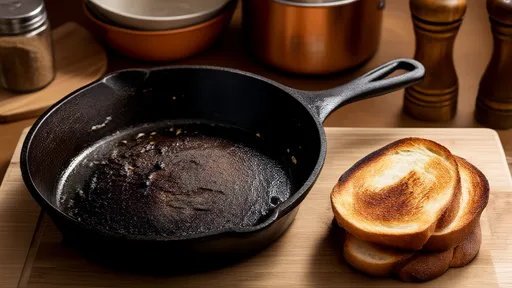
Burned Flavor Removal: Transfer the Pot and Add Bread Slices to Absorb the Odor"

By /Aug 11, 2025

There’s nothing quite as disheartening as realizing your carefully prepared dish has taken a turn for the worse—burnt to the bottom of the pot. Whether it’s an overzealous flame or a momentary distraction, scorched food is a common kitchen mishap. But before you resign yourself to the lingering smell of charred remnants, there’s an age-old trick that might just save the day: transferring the pot and using bread slices to absorb the unwanted odors.
Food

Only Noodles Left: Emergency Version of Scallion Oil Noodles"

By /Aug 11, 2025

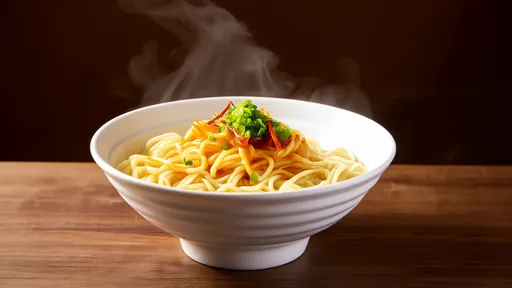
In the quiet hum of an empty pantry, a lone bundle of dried noodles stares back at you. The clock ticks past dinner time, and takeout menus seem increasingly unappealing. This is the moment when resourcefulness takes the stage—the humble scallion oil noodles, a dish born from scarcity, rises to the occasion with quiet brilliance. Unlike its elaborate culinary cousins, this emergency version demands nothing more than what most kitchens might still harbor: a handful of forgotten aromatics, a splash of pantry staples, and about ten minutes of patience.
Food

Power Outage Thawing: Cold Water Sealed Bag Method

By /Aug 11, 2025

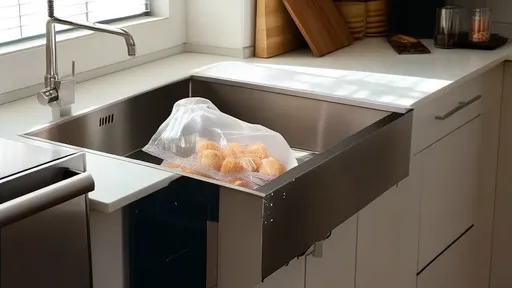
When the power goes out unexpectedly, one of the first concerns in any household is the preservation of perishable food items. Freezers full of meat, vegetables, and other frozen goods suddenly become ticking time bombs as the clock starts ticking on their thawing process. While traditional methods like transferring items to a cooler with ice can help, an innovative technique using sealed bags and cold water has gained traction for its efficiency and simplicity.
Food

No Water Dishwashing: Wet Wipes + Baking Soda"

By /Aug 11, 2025

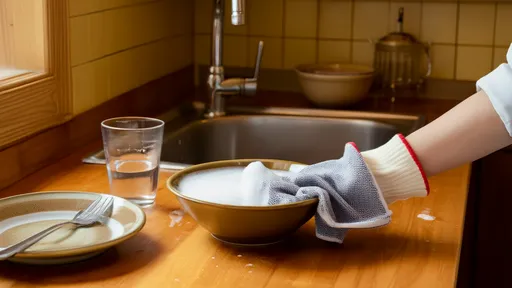
When the water supply is suddenly cut off, even the most mundane household tasks can become frustrating challenges. Washing dishes without running water seems impossible at first glance, but with a little creativity and some common household items, it’s entirely manageable. One surprisingly effective method involves using wet wipes and baking soda—a combination that not only cleans but also deodorizes, leaving your dishes spotless even when the taps run dry.
Food

Sugar-Fried Chestnuts: Proper Notching Depth to Prevent Explosion

By /Aug 11, 2025

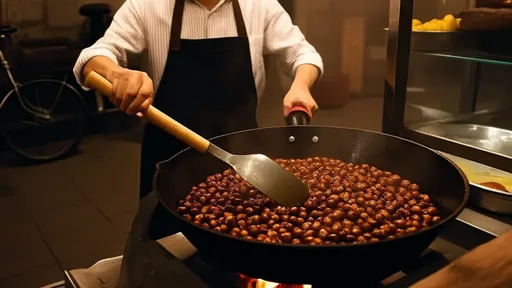
Autumn brings with it the comforting aroma of roasted chestnuts, a seasonal delight enjoyed by many. Among the various techniques used to prepare these nuts, the sugar-roasting method stands out for its perfect balance of sweetness and texture. However, achieving that ideal crackle without the nuts bursting open requires precision, particularly in the initial preparation stage. One critical step often overlooked by home cooks is the depth of the incision made on each chestnut before roasting.
Food

Kanto-Boiled Soup Base: Apple + Konbu for a Fresh and Sweet Origin

By /Aug 11, 2025

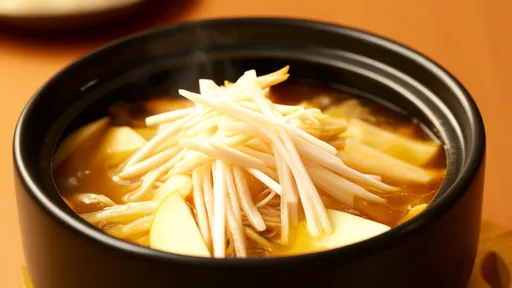
The art of crafting a perfect broth lies in the harmony of ingredients, and few combinations are as unexpectedly delightful as the pairing of apples with kombu in a traditional Japanese oden soup base. This unique blend marries the natural sweetness of apples with the umami-rich depth of kombu seaweed, creating a broth that is both comforting and complex. While oden is typically associated with savory flavors, the addition of apples introduces a subtle fruity note that elevates the entire dish.
Food

Rehydrate Cold Noodle Sheets with Water Spray to Prevent Dryness"

By /Aug 11, 2025

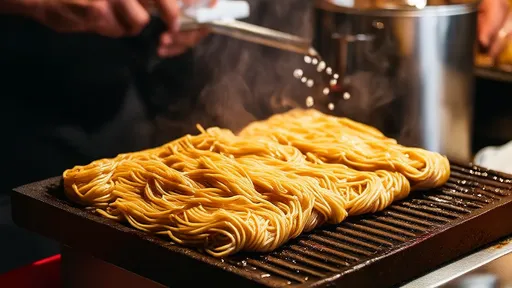
In the bustling streets of northern China, a humble yet beloved snack has captured the hearts and taste buds of locals and tourists alike. Known as "kao leng mian" or grilled cold noodles, this street food sensation has recently gained attention for a peculiar but crucial step in its preparation – the spraying of water on cold noodle sheets to prevent them from drying out and hardening during the cooking process.
Food

Wolf Tooth Potato: Standard Thickness for Wavy Knife Cuts"

By /Aug 11, 2025

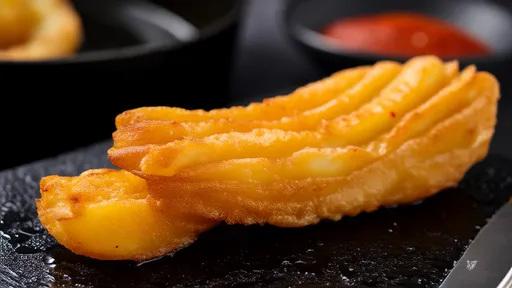
The culinary world thrives on precision, and nowhere is this more evident than in the meticulous preparation of ingredients. Among the many techniques that have gained popularity, the art of cutting potatoes into wavy, jagged slices—commonly known as "wolf tooth potatoes" or lang ya tudou—has become a staple in street food culture. The distinct texture and visual appeal of these potatoes rely heavily on the thickness of each slice, making the wave-cutting technique a critical factor in achieving the perfect bite.
Food

Oil Brushing Amount in Egg Burger Mold Determines Demolding"

By /Aug 11, 2025

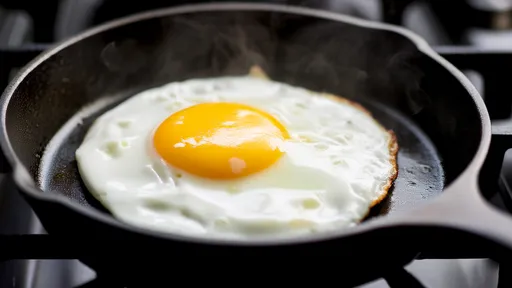
The art of making the perfect egg burger is a delicate balance of ingredients, timing, and technique. Among the many factors that contribute to a flawless final product, the amount of oil applied to the mold stands out as a critical yet often overlooked element. The right amount of oil ensures easy release, a golden crust, and an even cook, while too little or too much can lead to sticking, uneven browning, or an overly greasy texture. Mastering this aspect can elevate an amateur cook’s egg burger from mediocre to exceptional.
Food

Substitute for Fish Sauce: Shrimp Paste and Soy Sauce Blending Plan

By /Aug 11, 2025

The culinary world thrives on innovation and adaptation, especially when it comes to recreating complex flavors with accessible ingredients. One such challenge involves finding a suitable substitute for fish sauce, a staple in Southeast Asian cooking known for its pungent umami depth. While nothing can perfectly replicate its unique fermentation profile, an intriguing alternative has emerged from pantry staples: a balanced blend of shrimp paste and light soy sauce.
Food

Broad Bean Paste Grading: Density of Three-Year Aged Red Oil

By /Aug 11, 2025

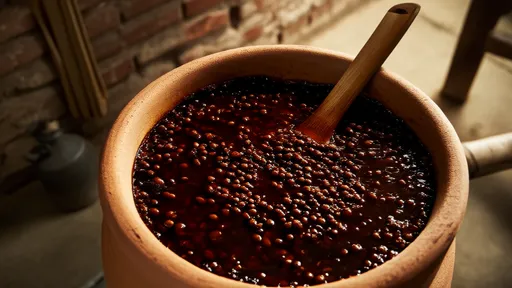
The art of fermenting broad bean paste reaches its zenith in the prized three-year aged red oil doubanjiang, a condiment that embodies centuries of Sichuanese culinary tradition. Unlike mass-produced alternatives, this amber-hued elixir undergoes a patient transformation in earthenware jars, developing a viscosity and depth that can only be achieved through seasonal temperature fluctuations and microbial alchemy.
Food

Enhancing Vinegar Aroma: Stir-frying with Hot Pan to Stimulate Ester Release

By /Aug 11, 2025

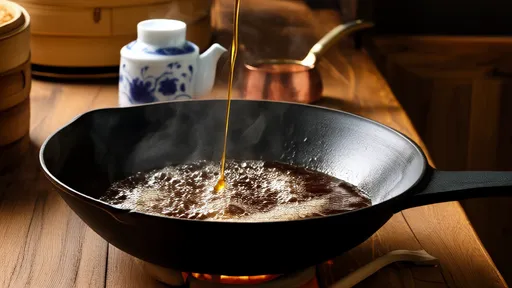
The art of cooking is as much a science as it is a craft, and nowhere is this more evident than in the technique of vinegar splash-frying to release aromatic esters. This ancient culinary practice, deeply rooted in Chinese gastronomy, transforms ordinary vinegar into an extraordinary flavor enhancer through precise temperature control and timing.
Food

Soy Sauce Grading: Flavor Profiles of First Draw / Light Soy Sauce / Dark Soy Sauce

By /Aug 11, 2025

The world of soy sauce is far more nuanced than the average supermarket shopper might imagine. Beyond the basic categories of light and dark soy sauce lies a fascinating spectrum of flavors, textures, and brewing techniques that have evolved over centuries in Asian culinary traditions. Among these variations, three distinct types stand out for their unique characteristics and culinary applications: first extract soy sauce, light soy sauce, and dark soy sauce. Each variety tells a story of craftsmanship, time, and transformation.
Food

Fruit Popsicles: Yogurt + Fruit Bits Freezing Formula

By /Aug 11, 2025

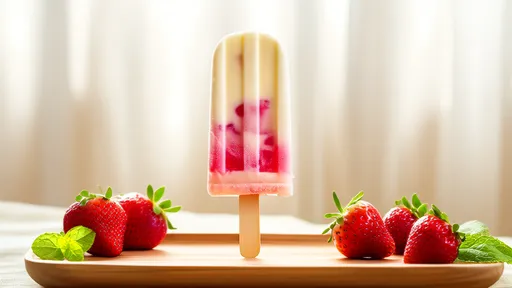
The humble popsicle has undergone a gourmet transformation in recent years, evolving from simple sugar water frozen on a stick to sophisticated dessert creations that balance health and indulgence. Among these elevated frozen treats, yogurt-based fruit popsicles have emerged as a standout favorite, combining the creamy tang of yogurt with the vibrant freshness of real fruit pieces. This winning formula delivers not just refreshment but also nutritional benefits, making it a guilt-free pleasure for all ages.
Food

Cartoon Breakfast: Seaweed Mold Presses Animal Shapes

By /Aug 11, 2025

The morning ritual of breakfast preparation has taken a delightful turn in kitchens across Asia, where creative parents and food enthusiasts have discovered the magic of transforming ordinary meals into edible works of art. Among the most charming trends emerging from this culinary creativity is the use of seaweed molds to craft adorable animal shapes that bring both nutrition and joy to the breakfast table.
Food

Muffin Burst Head: The Golden Rule of Batter to Fill 90%"

By /Aug 11, 2025

The art of baking perfect muffins is often shrouded in mystery, with home bakers and professionals alike chasing that elusive combination of a domed top, tender crumb, and just the right amount of sweetness. Among the many variables that contribute to muffin perfection, one golden rule stands out: filling the muffin cups to the nine-tenths mark. This seemingly simple guideline, often referred to as the "golden line" for muffin batter, is the secret behind achieving those coveted bakery-style "muffin tops" with a beautiful, cracked surface.
Food

Brioche Layering: Easier Handling with Frozen Butter Slices

By /Aug 11, 2025

The art of crafting the perfect croissant lies in mastering the lamination process, where layers of butter and dough intertwine to create that signature flaky texture. Among the many techniques debated by pastry chefs, one method stands out for its practicality and consistency: freezing butter sheets before incorporation. This approach, often overlooked in home baking, holds the key to achieving professional-quality results with minimal frustration.
Food

Prevent Cake Depression: Release Heat by Shaking the Mould After Baking

By /Aug 11, 2025

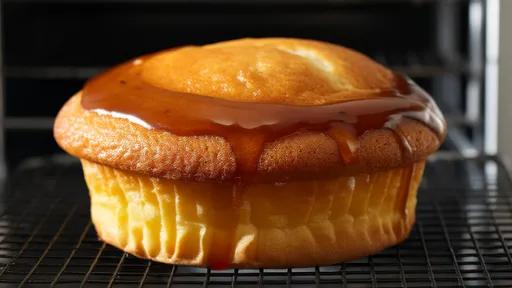
There’s nothing more disheartening for a baker than pulling a beautifully risen cake out of the oven, only to watch it sink into a sad, sunken mess as it cools. Collapsed centers, uneven textures, and dreaded cracks can turn a labor of love into a baking disaster. While there are many factors that contribute to a cake’s structural integrity—ingredient ratios, oven temperature, and mixing methods—one often overlooked yet critical step is the simple act of tapping or dropping the cake pan immediately after baking. This technique, known as "releasing steam" or "dropping the pan," plays a surprisingly vital role in preventing those frustrating dips and dents.
Food

Prevent Cookie Spreading: Chill the Dough for 1 Hour Before Baking"

By /Aug 11, 2025

The art of baking perfect cookies has long been debated among home bakers and professionals alike. While recipes may vary in ingredients and techniques, one principle remains surprisingly consistent: chilling the dough before baking yields superior results. This simple step, often overlooked in the rush to get cookies into the oven, holds the key to texture, flavor development, and that coveted balance between crisp edges and chewy centers.
Food

Reviving Dried Goods: Accelerate Soaking with Warm Water and Sugar

By /Aug 11, 2025

In the world of culinary arts, few techniques are as universally useful yet underappreciated as rehydrating dried ingredients. Whether you're working with mushrooms, seaweed, or dried fruits, the process of bringing these preserved foods back to life can make or break a dish. Among the various methods chefs and home cooks employ, one stands out for its simplicity and effectiveness: using warm water with a touch of sugar to accelerate the rehydration process.