In the quiet hum of an empty pantry, a lone bundle of dried noodles stares back at you. The clock ticks past dinner time, and takeout menus seem increasingly unappealing. This is the moment when resourcefulness takes the stage—the humble scallion oil noodles, a dish born from scarcity, rises to the occasion with quiet brilliance. Unlike its elaborate culinary cousins, this emergency version demands nothing more than what most kitchens might still harbor: a handful of forgotten aromatics, a splash of pantry staples, and about ten minutes of patience.
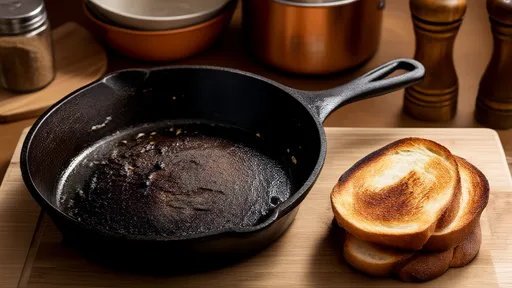
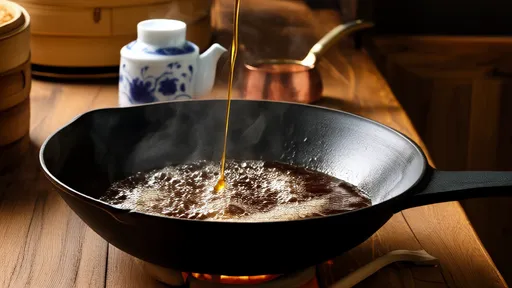
The magic begins with the sizzle. Thinly sliced scallions—whites for depth, greens for vibrancy—hit a film of hot oil in a skillet. Here, time works alchemy: as the edges of the scallions darken to amber, their sweetness concentrates into something akin to caramelized onions, while the oil becomes infused with a savory perfume that clings to every surface. The sound changes as moisture evaporates; the sizzle softens to a whisper. This is when you intervene, lifting the pan off heat before bitterness can intrude. The resulting scallion oil isn’t just a condiment—it’s the soul of the dish, capable of elevating even the most basic noodles into a meal with narrative.
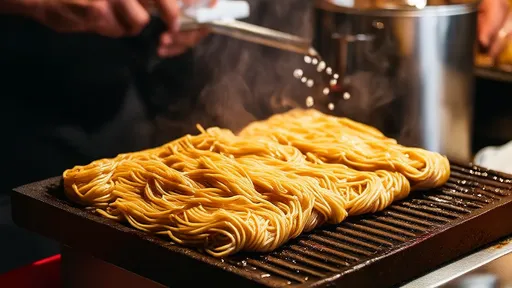
Meanwhile, the pot of water boils furiously. The dried noodles, often dismissed as mere filler, undergo their own transformation. What matters here isn’t the brand or shape (though thin, straight varieties like angel hair work exceptionally well), but the texture achieved at the precise moment they’re drained—firm enough to resist teeth, yet yielding. Underdone noodles would revolt against the oil; overcooked ones dissolve into tragedy. The perfect al dente bite is non-negotiable.
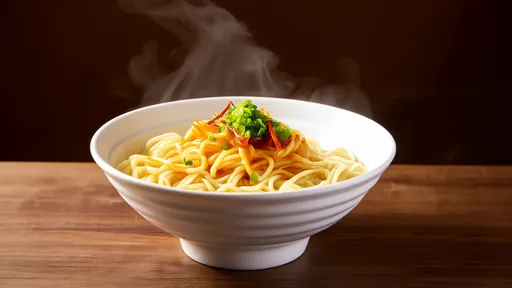
Assembly is where improvisation shines. The hot noodles meet the scallion oil in a bowl, their steam releasing another wave of fragrance. A drizzle of soy sauce—light or dark, depending on what’s left in the bottle—adds umami depth. Some swear by a pinch of sugar to balance; others reach for chili flakes or a splash of black vinegar. In true emergency fashion, the dish adapts: a crumbling of leftover roasted peanuts for crunch, a sad-looking carrot julienned for color, or even a dubious squeeze of ketchup if desperation strikes. Unlike precise recipes, this version welcomes culinary free verse.
What makes this dish remarkable isn’t just its speed or simplicity, but its emotional resonance. The first bite carries the comfort of something far more labor-intensive—a quality often found in dishes born of necessity. The umami-rich oil coats each strand, while the scallions provide bursts of sweetness and texture. It’s a reminder that scarcity can breed creativity, and that sometimes, the most satisfying meals aren’t the ones we plan, but the ones we invent when the fridge is nearly bare.
Historically, variations of this dish appear across cultures facing hardship. In post-war Taiwan, scallion oil noodles became a staple for families stretching meager ingredients. Jewish communities have their fried onions with egg noodles, while Italian aglio e olio shares the same spirit of minimalist ingenuity. The universal appeal lies in its honesty: no fancy techniques, no obscure ingredients, just the clever use of heat and time to extract maximum flavor from the mundane.
For urban dwellers today, the dish takes on new relevance. It’s the antithesis of meal-kit precision—a rebellious act against the tyranny of complicated recipes. In an age of grocery delivery apps, there’s subversive satisfaction in creating something delicious from what’s already there. The scallion oil noodle doesn’t care if you used organic scallions or discount-brand soy sauce; it rewards the act of cooking itself, rather than the pedigree of ingredients.
Perhaps its greatest lesson is in resourcefulness. That half-wilted scallion in the crisper? Salvageable. The last tablespoon of oil in the bottle? Enough. The noodles buried behind cereal boxes? Perfect. In stripping away all but the essentials, the dish reveals how little we actually need to make something good—and how often abundance distracts us from simple, elemental pleasures. After all, hunger is the best sauce, but scallion oil runs a close second.
By /Aug 11, 2025
By /Aug 11, 2025

By /Aug 11, 2025
By /Aug 11, 2025
By /Aug 11, 2025
By /Aug 11, 2025
By /Aug 11, 2025
By /Aug 11, 2025
By /Aug 11, 2025
By /Aug 11, 2025
By /Aug 11, 2025
By /Aug 11, 2025
By /Aug 11, 2025

By /Aug 11, 2025

By /Aug 11, 2025

By /Aug 11, 2025
By /Aug 11, 2025
By /Aug 11, 2025
By /Aug 11, 2025
By /Aug 11, 2025
