The art of cooking is as much a science as it is a craft, and nowhere is this more evident than in the technique of vinegar splash-frying to release aromatic esters. This ancient culinary practice, deeply rooted in Chinese gastronomy, transforms ordinary vinegar into an extraordinary flavor enhancer through precise temperature control and timing.
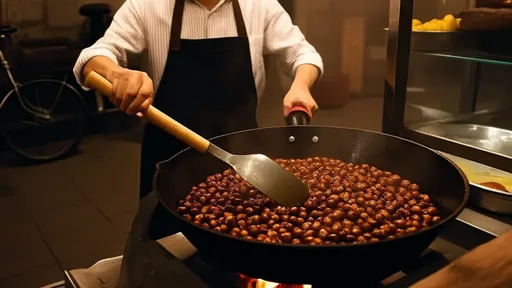
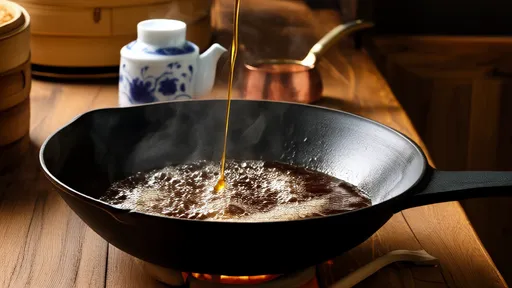
When a seasoned wok reaches the perfect smoking point, that magical moment when a chef pours vinegar along its sizzling edges, something remarkable happens at molecular level. The high heat causes an immediate vaporization of the liquid, but more importantly, it triggers esterification - the chemical reaction between acids in the vinegar and alcohols present in other ingredients or the vinegar itself. These newly formed esters create complex, rounded aromas that would be impossible to achieve through simple mixing of flavors.
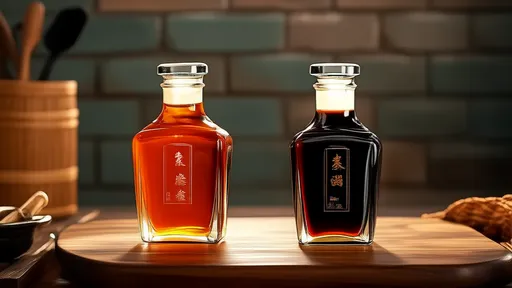
The chemistry behind this process is fascinating. Vinegar contains acetic acid, which when heated rapidly with small amounts of ethanol (naturally occurring in many vinegars) forms ethyl acetate - the ester responsible for that delightful fruity fragrance. Different vinegars produce different ester profiles. Aged Zhenjiang vinegar develops rich, woody esters while Shanxi mature vinegar creates more nutty, caramel-like aromatic compounds. The temperature must be precisely controlled; too low and the reaction won't occur sufficiently, too high and the delicate esters will break down.
Professional chefs have developed various techniques to maximize ester production. The "long dragon pour" method involves drizzling vinegar in a continuous stream around the wok's circumference, allowing maximum surface area contact with the hot metal. Another approach called "double splash" involves two quick successive additions - the first to create esters, the second to provide fresh acidity. Some masters even adjust the angle of their wok to control exactly where and how the vinegar hits the cooking surface.
Regional variations in this technique reveal how local ingredients and cooking traditions influence ester development. In Shandong cuisine, vinegar is often paired with scallions and garlic, creating sulfur-containing esters that give distinctive pungent notes. Sichuan chefs frequently combine vinegar with chili peppers, producing spicy-aromatic compounds that dance on the palate. The Cantonese approach tends to be more subtle, using milder rice vinegar to create delicate floral esters that complement seafood.
Modern food science has begun quantifying what ancient cooks knew instinctively. Gas chromatography studies show that properly splash-fried vinegar can produce up to 37% more volatile aromatic compounds compared to simply adding it at lower temperatures. The ester concentration peaks between 160-180°C, exactly the range achieved by a well-seasoned wok at cooking temperature. This explains why the same dish made with identical ingredients can taste dramatically different depending on vinegar application technique.
The health implications of vinegar esterification are equally interesting. Many of the created compounds have been shown to stimulate digestion and appetite. Some studies suggest that certain vinegar esters may help regulate blood sugar levels by slowing carbohydrate absorption. The rapid vaporization also reduces the sharp acidity while preserving beneficial organic compounds, making the flavors more harmonious and easier on the stomach.
Home cooks can master this technique with practice. The key lies in preparation - having all ingredients ready before heating the wok to maximum temperature. Use a metal ladle rather than pouring directly from the bottle for better control. Listen for the characteristic "whoosh" sound that indicates proper vaporization. Observe how the vinegar should completely evaporate within 2-3 seconds, leaving behind only its aromatic essence infused into the other ingredients.
Pairing vinegar types with dishes requires understanding their ester potential. Black vinegar works wonderfully with red meats, developing deep umami esters. White rice vinegar creates brighter, more citrusy notes perfect for vegetables and fish. Fruit vinegars like apple or persimmon can produce unexpected but delightful ester combinations when splash-fried with poultry or pork.
The cultural significance of this technique spans centuries. Ancient Chinese culinary texts describe vinegar splash methods as early as the Song Dynasty. What began as practical chemistry evolved into an art form, with master chefs developing signature styles of vinegar application. Some provincial cooking schools still teach students to recognize dozens of distinct ester aromas as part of their training, much like wine sommeliers study bouquets.
Contemporary fusion cuisine has adopted and adapted this principle creatively. Modernist chefs use vinegar esters to create surprising flavor bridges between ingredients. Imagine a splash of balsamic vinegar on a searing hot plancha releasing esters that somehow make strawberries and foie gras taste like they were meant to be together. Or Japanese chefs using rice vinegar vapor to unite the flavors of sushi rice and delicate seafood in new ways.
As we continue exploring the science behind traditional cooking methods, vinegar esterification stands out as a perfect marriage of chemistry and culinary intuition. That brief moment when vinegar meets a hot wok represents one of cooking's most magical transformations - turning simple sourness into symphonies of aroma that delight our senses and elevate everyday ingredients to something extraordinary. The next time you hear that sizzle and catch that first whiff of complex, rounded fragrance rising from the wok, remember you're witnessing centuries of culinary wisdom expressed through momentary chemistry.
By /Aug 11, 2025
By /Aug 11, 2025

By /Aug 11, 2025
By /Aug 11, 2025
By /Aug 11, 2025
By /Aug 11, 2025
By /Aug 11, 2025
By /Aug 11, 2025
By /Aug 11, 2025
By /Aug 11, 2025
By /Aug 11, 2025
By /Aug 11, 2025
By /Aug 11, 2025
By /Aug 11, 2025

By /Aug 11, 2025
By /Aug 11, 2025
By /Aug 11, 2025
By /Aug 11, 2025
By /Aug 11, 2025
By /Aug 11, 2025
