The culinary world thrives on innovation and adaptation, especially when it comes to recreating complex flavors with accessible ingredients. One such challenge involves finding a suitable substitute for fish sauce, a staple in Southeast Asian cooking known for its pungent umami depth. While nothing can perfectly replicate its unique fermentation profile, an intriguing alternative has emerged from pantry staples: a balanced blend of shrimp paste and light soy sauce.
The Quest for Fish Sauce Alternatives
Fish sauce, with its briny intensity and savory punch, plays a foundational role in dishes ranging from Vietnamese pho to Thai papaya salad. However, dietary restrictions, allergies, or simple ingredient unavailability often necessitate alternatives. Many home cooks experiment with soy-based substitutions, but these frequently lack the oceanic funk that defines authentic fish sauce. This is where shrimp paste—a concentrated umami bomb made from fermented crustaceans—enters the picture.
Shrimp Paste: The Flavor Anchor
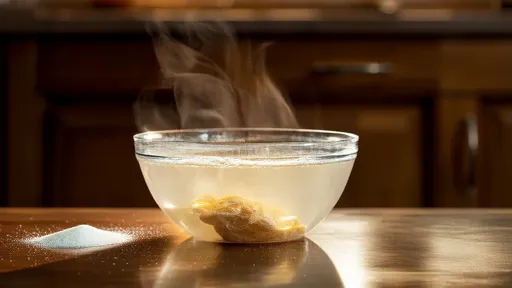
Commonly used in Malaysian sambal or Indonesian curries, shrimp paste delivers a similarly funky salinity to fish sauce, albeit in solid form. When selecting shrimp paste for this purpose, opt for Thai or Vietnamese varieties (known as kapi and mắm tôm respectively), which undergo shorter fermentation than their Filipino counterparts. Their sharper, less sweet profile mimics fish sauce’s character more closely. A pea-sized amount dissolved in warm water forms the base of our substitute.
The Balancing Act with Light Soy Sauce
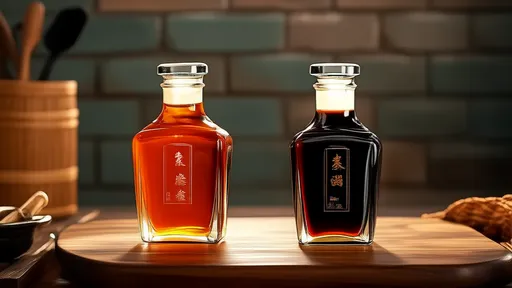
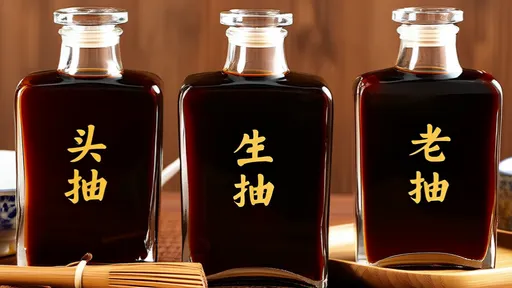
Where shrimp paste provides the funk, light soy sauce (not to be confused with sweet or dark varieties) contributes liquid volume and a cleaner saltiness. The magic lies in their ratio—too much shrimp paste overwhelms, while excessive soy sauce flattens the flavor. Start with one part diluted shrimp paste to three parts soy sauce, adjusting to taste. For added complexity, some chefs whisper in a pinch of sugar or a splash of lime juice to approximate fish sauce’s subtle sweetness and acidity.
Application in Classic Dishes
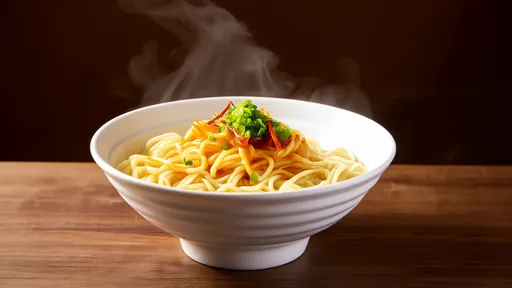
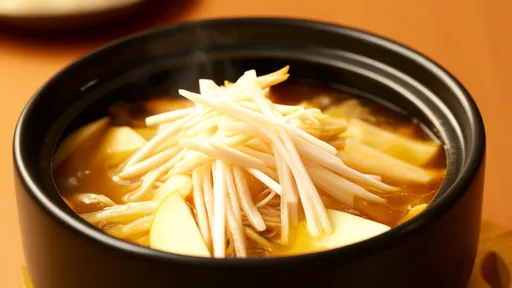
This hybrid performs remarkably well in stir-fries, dipping sauces, and marinades. When testing it in a som tum (green papaya salad), the blend delivered the requisite savory backbone, though discerning palates might note a slightly earthier aftertaste. For soups like tom yum, it’s advisable to simmer the shrimp paste briefly to mellow its rawness before adding soy sauce. Interestingly, the substitute’s thicker viscosity can actually improve clinginess in noodle dishes.
Cultural Considerations and Limitations
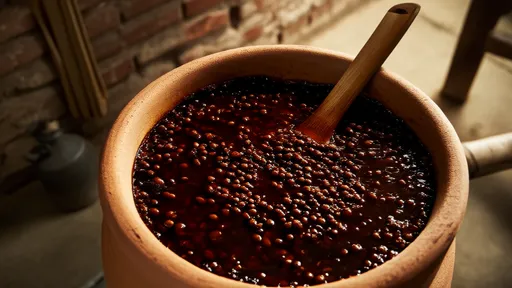
Purists rightly argue that no substitute can fully capture fish sauce’s centuries-old fermentation alchemy. Traditional fish sauce involves layering saltwater fish like anchovies in wooden barrels for months or years, allowing enzymes to break down proteins into free amino acids. Shrimp paste undergoes a similar process but with crustaceans, resulting in different peptide structures. Nutritionally, the alternative lacks fish sauce’s iodine content but provides comparable levels of sodium and umami compounds like glutamate.
Experimentation Encouraged
The beauty of this workaround lies in its adaptability. Vegetarian cooks might replace shrimp paste with fermented soybean paste and mushrooms, while those seeking extra depth could add a drop of oyster sauce. As global pantries expand, such creative substitutions not only solve practical problems but also spark new flavor pathways—proving that necessity remains the mother of delicious invention.
By /Aug 11, 2025
By /Aug 11, 2025

By /Aug 11, 2025

By /Aug 11, 2025
By /Aug 11, 2025
By /Aug 11, 2025
By /Aug 11, 2025
By /Aug 11, 2025

By /Aug 11, 2025
By /Aug 11, 2025
By /Aug 11, 2025
By /Aug 11, 2025
By /Aug 11, 2025

By /Aug 11, 2025

By /Aug 11, 2025

By /Aug 11, 2025
By /Aug 11, 2025

By /Aug 11, 2025
By /Aug 11, 2025
By /Aug 11, 2025