The art of making the perfect egg burger is a delicate balance of ingredients, timing, and technique. Among the many factors that contribute to a flawless final product, the amount of oil applied to the mold stands out as a critical yet often overlooked element. The right amount of oil ensures easy release, a golden crust, and an even cook, while too little or too much can lead to sticking, uneven browning, or an overly greasy texture. Mastering this aspect can elevate an amateur cook’s egg burger from mediocre to exceptional.
Understanding the Role of Oil in the Mold
Oil serves multiple purposes when preparing an egg burger in a mold. Primarily, it acts as a barrier between the batter and the metal, preventing adhesion during and after cooking. Without this layer, the egg burger can stick to the mold, tearing apart when attempting to remove it. Additionally, oil contributes to the Maillard reaction, the chemical process responsible for browning and developing complex flavors. A properly oiled mold ensures that the exterior crisps up evenly, creating that desirable contrast between the crunchy outer layer and the soft interior.
The type of oil used also plays a significant role. Neutral oils with high smoke points, such as vegetable or canola oil, are ideal because they don’t impart strong flavors and can withstand the heat required for cooking. Some cooks prefer using butter for its rich taste, but it burns more easily and may require a combination with oil to prevent scorching. The choice of oil, along with the quantity applied, directly impacts the final texture and flavor of the egg burger.
The Goldilocks Principle: Not Too Little, Not Too Much
Finding the perfect amount of oil is akin to the Goldilocks principle—it must be just right. Too little oil, and the egg burger will fuse to the mold, making removal a frustrating ordeal. Bits of the burger may tear off, leaving behind an uneven surface. On the other hand, excessive oil leads to pooling at the bottom of the mold, resulting in a greasy, soggy base rather than a crisp one. The excess oil can also spill over during cooking, creating smoke and potentially causing flare-ups if using an open flame.
A thin, even coating is the key. Many experienced cooks recommend using a pastry brush or a folded paper towel to apply the oil, ensuring it covers every crevice of the mold without leaving heavy droplets. Some even suggest a light spray of oil for an ultra-thin layer. The goal is to create a non-stick surface without drowning the batter in fat. Observing the mold after the first few uses can provide valuable feedback—adjustments can be made based on how easily the egg burger releases and how evenly it browns.
The Impact of Mold Material on Oil Application
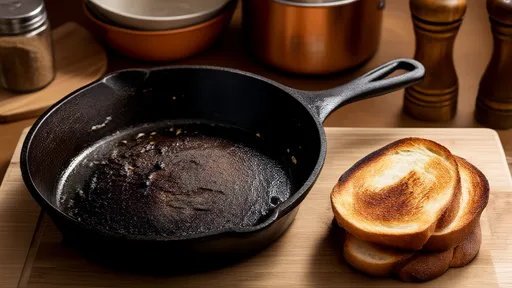
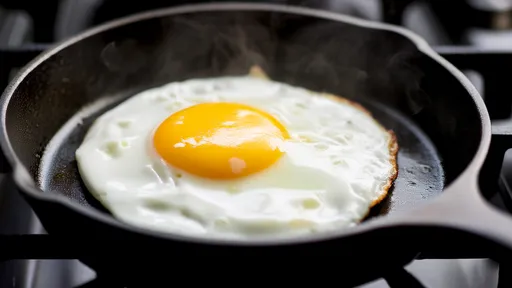
The material of the mold itself influences how much oil is needed. Non-stick molds, for instance, require significantly less oil than traditional aluminum or cast-iron molds. While non-stick surfaces are designed to release food easily, a minimal amount of oil is still recommended to enhance browning and prevent any chance of sticking. Cast-iron molds, beloved for their heat retention, often need a more generous coating due to their porous nature. Seasoning the cast iron over time can reduce the required oil, but initial uses typically demand careful lubrication.
Aluminum molds fall somewhere in between. They heat up quickly and evenly but can be prone to sticking if not properly oiled. Some cooks swear by preheating the mold before adding oil and batter, as the heat helps the oil form a more effective barrier. Experimentation is often necessary to determine the ideal oil quantity for a specific mold, as manufacturing differences and wear over time can alter performance.
Techniques for Ensuring Consistent Results
Consistency is crucial in cooking, and the same applies to oiling molds for egg burgers. One effective technique is to preheat the mold before adding oil. This allows the oil to spread more evenly and begin forming a non-stick layer immediately. Another method involves lightly oiling the mold, then wiping away the excess with a clean cloth—this leaves behind a nearly imperceptible film that still does the job. For those making multiple egg burgers in succession, reapplying a small amount of oil between batches ensures that each one releases smoothly.
Temperature control also interacts with oil application. If the mold is too hot, the oil can burn off too quickly, leading to sticking. If it’s not hot enough, the oil may soak into the batter rather than creating a barrier. Maintaining a steady, moderate heat allows the oil to work effectively throughout the cooking process. Paying attention to these details separates a haphazard cook from one who produces reliably excellent egg burgers every time.
Common Mistakes and How to Avoid Them
Even seasoned cooks can make mistakes when it comes to oiling molds. One frequent error is assuming that a non-stick mold requires no oil at all. While these molds are forgiving, a light coating still improves browning and flavor. Another pitfall is using the wrong tool to apply oil—pouring oil directly from the bottle often leads to uneven distribution and excess pooling. A brush or spray bottle offers much better control.
Neglecting to re-oil between batches is another oversight. As the mold is used repeatedly, residual oil burns off, increasing the risk of sticking. A quick swipe of oil before each new egg burger ensures consistent results. Finally, failing to adjust for the mold’s material can lead to frustration. What works for a well-seasoned cast-iron mold won’t necessarily work for a brand-new aluminum one. Adapting techniques to the tool at hand is essential.
Final Thoughts on Mastering the Egg Burger Mold
The amount of oil used in an egg burger mold may seem like a minor detail, but it has a profound impact on the final product. From ensuring easy release to contributing to flavor and texture, the right oiling technique is a cornerstone of successful egg burger preparation. By understanding the role of oil, experimenting with quantities, and adapting to different molds and materials, cooks can achieve consistently excellent results. Whether making breakfast for the family or perfecting a street-food-style snack, attention to this detail will always pay off.
By /Aug 11, 2025
By /Aug 11, 2025

By /Aug 11, 2025

By /Aug 11, 2025

By /Aug 11, 2025

By /Aug 11, 2025

By /Aug 11, 2025
By /Aug 11, 2025
By /Aug 11, 2025
By /Aug 11, 2025
By /Aug 11, 2025
By /Aug 11, 2025
By /Aug 11, 2025

By /Aug 11, 2025

By /Aug 11, 2025
By /Aug 11, 2025
By /Aug 11, 2025
By /Aug 11, 2025
By /Aug 11, 2025
By /Aug 11, 2025
