The art of baking perfect cookies has long been debated among home bakers and professionals alike. While recipes may vary in ingredients and techniques, one principle remains surprisingly consistent: chilling the dough before baking yields superior results. This simple step, often overlooked in the rush to get cookies into the oven, holds the key to texture, flavor development, and that coveted balance between crisp edges and chewy centers.
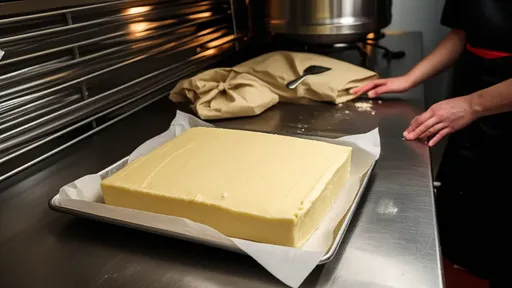
When cookie dough first comes together, the ingredients are in a state of flux. Butter sits at room temperature, sugars dissolve partially, and flour begins to hydrate. By refrigerating the dough for at least an hour - though many bakers swear by overnight chilling - these components have time to properly acquaint themselves. The butter firms up, preventing cookies from spreading too thin during baking. Flour fully absorbs liquids, resulting in a more uniform texture. Even the sugar undergoes a subtle transformation, breaking down more completely to create a richer caramelized flavor during baking.
The science behind chilled dough reveals why this technique works so well. Cold butter melts more slowly in the oven, giving the dough time to set its structure before spreading excessively. This controlled spread means cookies maintain their thickness while developing those perfect crispy edges. Meanwhile, the prolonged hydration period allows gluten strands to relax, preventing toughness in the finished product. For recipes containing eggs, the extra time lets proteins set properly, contributing to better texture.
Flavor development during the chilling period might be the most surprising benefit. As the dough rests, enzymes in the flour begin breaking down starches into sugars, resulting in deeper, more complex flavors. This same process occurs in bread dough during its fermentation period, though on a smaller scale with cookies. The wait allows flavors to meld and intensify, much like a stew tastes better the next day. Bakers often report that chilled-dough cookies have a more balanced sweetness and pronounced butter flavor compared to their hastily baked counterparts.
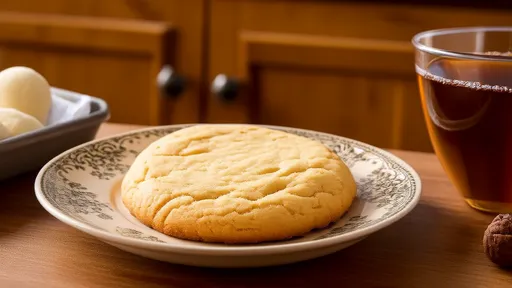
Texture differences between chilled and unchilled dough become immediately apparent upon baking. Cookies made from room temperature dough tend to spread rapidly, often becoming thin and crisp throughout. Those from chilled dough spread more gradually, creating the ideal combination of crisp perimeter and soft center. The contrast becomes particularly noticeable in thicker cookies like chocolate chip or peanut butter, where maintaining some softness inside is crucial to the eating experience.
Practical considerations also favor the chilling method. Prepared dough can be refrigerated for several days or frozen for months, allowing bakers to bake cookies in small batches as needed. This "cookie dough banking" system proves invaluable during holidays or for unexpected guests. The dough actually becomes easier to handle after chilling - less sticky for rolling or portioning into perfect spheres that will bake evenly. Professional bakers have long known this secret, which explains why bakery cookies often surpass homemade versions in consistency.
Certain cookie types benefit more dramatically from chilling than others. Shortbread and sugar cookies achieve their signature tender crumb only through proper chilling. Butter-rich recipes absolutely require this step to prevent greasy, flattened results. Even seemingly sturdy oatmeal cookies gain improved texture and flavor from a rest in the refrigerator. The exceptions prove few - some cake-like cookies or those relying on chemical leaveners for lift might not need chilling, but they're in the minority.
For those skeptical about adding an hour (or more) to their cookie-making process, consider this: the actual hands-on time remains identical. Mixing the dough takes the same amount of effort whether you bake immediately or later. The chilling period simply becomes downtime that can be used for other tasks. Many bakers find the discipline of planning ahead rewarded with noticeably better results - cookies worthy of gifts or special occasions rather than just quick sweets.
The temperature of chilled dough going into the oven also affects baking dynamics. Professional kitchens often let portions of dough warm slightly before baking to achieve specific textures. This level of control allows for precise results that accommodate personal preferences - slightly warmer dough for thinner, crisper cookies or thoroughly chilled for thicker, softer ones. Home bakers can experiment with these variables once they master the basic chilling technique.
Modern recipes increasingly specify chilling times, reflecting growing awareness of this technique's importance. Older recipes that don't mention chilling often assumed the baker would understand this step as standard practice. As home baking evolves with more people learning from video tutorials and food blogs, the science behind techniques like dough chilling becomes more widely understood and appreciated.
Beyond texture and flavor, chilled dough offers practical advantages for decorative cookies. Dough that's too soft makes intricate cut-outs difficult and causes shapes to lose definition during baking. Properly chilled dough holds sharp edges and detailed impressions from stamps or molds. This makes the difference between professional-looking decorated cookies and amateur attempts. The extra time investment pays dividends in presentation quality.
Nutritionally speaking, chilled-dough cookies might offer slight advantages as well. The slower spread in the oven means less surface area exposed to high heat, potentially reducing formation of certain undesirable compounds. The improved texture also means cookies often satisfy with smaller portions - a well-structured cookie feels more substantial than a flat, over-crisp one. While no one claims cookies as health food, maximizing their quality means enjoying them more with potentially less consumption.
The chilling principle applies beyond traditional drop cookies. Bar cookies and slice-and-bake varieties all benefit from firm dough that cuts cleanly and bakes evenly. Even cookie dough intended for eating raw (with proper precautions about egg safety) gains better flavor and texture from chilling. The wait allows flavors to develop fully, making the experience more satisfying than freshly mixed dough.
As home bakers rediscover traditional techniques and the science behind them, practices like dough chilling regain their proper place in cookie lore. What might seem like an unnecessary delay actually represents time working in the baker's favor - developing flavors, improving textures, and ultimately creating cookies that surpass expectations. In our fast-paced world, this small act of patience returns delicious dividends.
By /Aug 11, 2025
By /Aug 11, 2025

By /Aug 11, 2025

By /Aug 11, 2025
By /Aug 11, 2025
By /Aug 11, 2025

By /Aug 11, 2025

By /Aug 11, 2025
By /Aug 11, 2025

By /Aug 11, 2025
By /Aug 11, 2025
By /Aug 11, 2025

By /Aug 11, 2025

By /Aug 11, 2025

By /Aug 11, 2025
By /Aug 11, 2025
By /Aug 11, 2025
By /Aug 11, 2025
By /Aug 11, 2025
By /Aug 11, 2025
