When the water supply is suddenly cut off, even the most mundane household tasks can become frustrating challenges. Washing dishes without running water seems impossible at first glance, but with a little creativity and some common household items, it’s entirely manageable. One surprisingly effective method involves using wet wipes and baking soda—a combination that not only cleans but also deodorizes, leaving your dishes spotless even when the taps run dry.
The concept might sound unconventional, but wet wipes and baking soda each bring unique cleaning properties to the table. Wet wipes, particularly those labeled as disinfecting or multi-surface, are pre-moistened with cleaning agents that can break down grease and food residue. Baking soda, on the other hand, is a mild abrasive that scrubs away stubborn grime while neutralizing odors. Together, they form a makeshift cleaning system that requires no running water, making them ideal for emergencies or off-grid living situations.
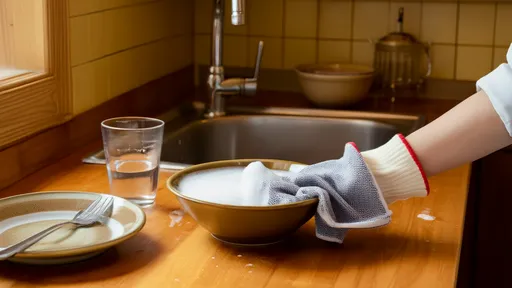
To use this method, start by scraping off any large food particles from your dishes. A spoon or spatula works well for this step, ensuring that the wet wipes and baking soda can focus on the finer layers of grime. Next, sprinkle a small amount of baking soda directly onto the dish’s surface. The powder will act as a gentle scrubbing agent, lifting away stains without scratching delicate surfaces like glass or ceramic. Then, take a wet wipe and begin wiping the dish in circular motions. The moisture from the wipe activates the baking soda, creating a light paste that enhances its cleaning power.
One of the biggest advantages of this method is its portability. Unlike traditional dishwashing, which requires a sink and a steady water flow, the wet wipe and baking soda technique can be done anywhere—on a camping trip, during a power outage, or even in a small apartment with limited resources. Additionally, because wet wipes come in sealed packaging, they remain fresh and ready to use for extended periods, making them a reliable backup when water is scarce.
Environmental considerations are worth noting, however. While convenient, disposable wet wipes contribute to landfill waste if not disposed of properly. Those who are eco-conscious might opt for biodegradable wipes or reusable cloths dampened with a DIY cleaning solution. Baking soda, fortunately, is an environmentally friendly product that poses no harm to ecosystems, making it a sustainable choice for green households.
Another benefit of this approach is its versatility. Beyond dishes, the wet wipe and baking soda duo can clean kitchen counters, stovetops, and even bathroom surfaces. A quick wipe-down with this combination can remove spills, eliminate lingering smells, and leave surfaces gleaming—all without a single drop of water. For tougher stains, allowing the baking soda to sit for a few minutes before wiping can improve results.
Of course, this method isn’t a perfect substitute for a thorough, water-based wash. Sticky or heavily soiled dishes might require multiple passes, and utensils with intricate designs could be harder to clean without rinsing. Nevertheless, as a temporary solution, it’s remarkably effective. Once water service resumes, a quick rinse can remove any residual baking soda, ensuring no powdery film remains.
In a world where unexpected disruptions are becoming more common, having alternative methods for everyday tasks is invaluable. The wet wipe and baking soda hack is a testament to human ingenuity—proof that even without modern conveniences, simple solutions can keep life running smoothly. Whether you’re preparing for an emergency or simply looking for a water-saving trick, this approach is worth adding to your household repertoire.
By /Aug 11, 2025

By /Aug 11, 2025
By /Aug 11, 2025
By /Aug 11, 2025

By /Aug 11, 2025

By /Aug 11, 2025

By /Aug 11, 2025

By /Aug 11, 2025

By /Aug 11, 2025

By /Aug 11, 2025
By /Aug 11, 2025

By /Aug 11, 2025

By /Aug 11, 2025

By /Aug 11, 2025

By /Aug 11, 2025

By /Aug 11, 2025
By /Aug 11, 2025
By /Aug 11, 2025
By /Aug 11, 2025
By /Aug 11, 2025