The world of soy sauce is far more nuanced than the average supermarket shopper might imagine. Beyond the basic categories of light and dark soy sauce lies a fascinating spectrum of flavors, textures, and brewing techniques that have evolved over centuries in Asian culinary traditions. Among these variations, three distinct types stand out for their unique characteristics and culinary applications: first extract soy sauce, light soy sauce, and dark soy sauce. Each variety tells a story of craftsmanship, time, and transformation.
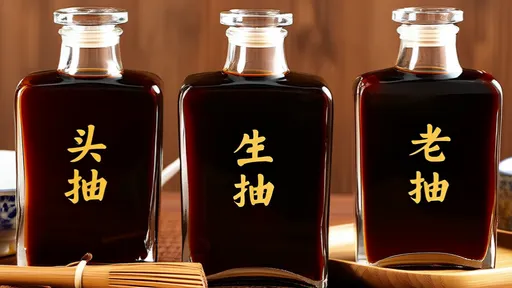
First extract soy sauce, known as "tou chou" in Cantonese or "head soy sauce," represents the pinnacle of traditional soy sauce production. This premium product comes from the very first pressing of fermented soybeans, resulting in a liquid that's remarkably complex and aromatic. The flavor profile tends to be more delicate yet intense, with a perfect balance of umami, sweetness, and saltiness that lingers on the palate. Chefs particularly value this variety for finishing dishes or creating dipping sauces where the soy sauce's quality can truly shine.
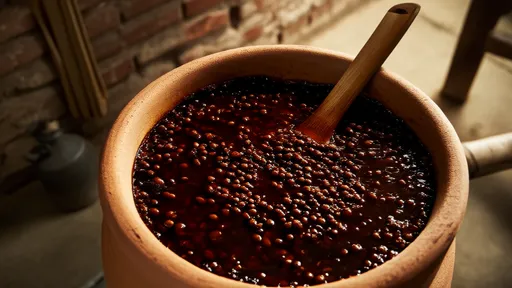
The production of first extract soy sauce follows ancient methods that prioritize quality over quantity. After the initial fermentation period, which can last several months, producers carefully collect the liquid that naturally rises to the top of the fermentation vats. This "first draw" contains the most concentrated flavors and aromas from the soybean and wheat mixture. The remaining mash will later be used to produce subsequent batches of soy sauce, but none will match the depth and complexity of that initial extraction.
Light soy sauce, or "sheng chou," serves as the workhorse in many Asian kitchens. Despite its name suggesting otherwise, light soy sauce isn't lower in sodium than other varieties. The "light" refers to its color and relatively thin consistency compared to its darker counterparts. This versatile seasoning brings saltiness and umami to dishes without overpowering other ingredients. Its clean, bright flavor makes it ideal for marinades, stir-fries, and soups where maintaining the dish's visual appeal matters.
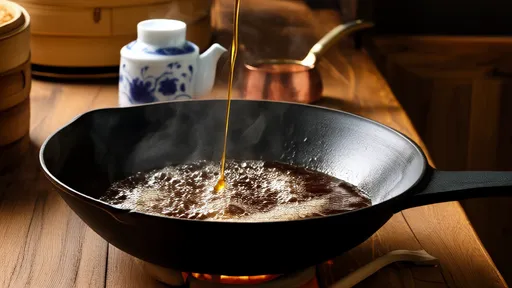
What distinguishes light soy sauce in production terms is the fermentation duration and the addition of ingredients. While it shares the same basic components as first extract soy sauce - soybeans, wheat, salt, and water - the fermentation period tends to be shorter, and the liquid is usually drawn after the first extract. Some premium light soy sauces may undergo longer aging processes, developing more complex flavors while retaining their characteristic clarity and vibrancy.
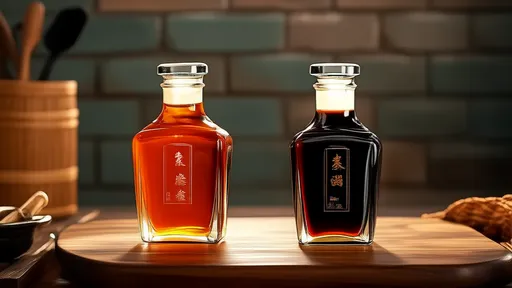
The darkest member of this trio, dark soy sauce ("lao chou"), plays an entirely different role in culinary applications. Its deep, almost black color comes from extended aging and sometimes the addition of caramel or molasses. The texture becomes noticeably thicker, and the flavor profile shifts toward sweetness with pronounced roasted notes. Rather than being used for seasoning during cooking, dark soy sauce primarily contributes color and a subtle richness to braised dishes, roasted meats, and certain stir-fries.
Production of dark soy sauce involves additional steps that transform its character completely. After the initial fermentation, producers often age the sauce for months or even years, allowing natural oxidation to work its magic. Some traditional methods expose the sauce to sunlight in glass containers, accelerating the color development and flavor concentration. The result is a product that bears little resemblance to its lighter counterparts, despite originating from the same basic ingredients.
Understanding these three soy sauce varieties opens up new dimensions in both cooking and eating experiences. First extract soy sauce offers unparalleled complexity for discerning palates, light soy sauce provides versatile seasoning power, while dark soy sauce brings visual drama and depth to dishes. Their differences stem not just from production methods but from centuries of culinary tradition that recognized the need for different soy sauce expressions at different stages of cooking.
The grading of soy sauces goes far beyond simple color distinctions. Factors like protein content, nitrogen levels, and total soluble solids all contribute to how soy sauces are classified and priced. In traditional Chinese grading systems, first extract soy sauce would represent the highest grade due to its concentrated flavors and limited availability. Light soy sauces might be further divided into premium and standard grades based on fermentation time and ingredient quality. Dark soy sauces have their own hierarchy depending on aging duration and whether they contain additives for color enhancement.
Modern industrial production has introduced many variations on these traditional categories, sometimes blurring the lines between them. Some manufacturers now produce "all-purpose" soy sauces that attempt to combine characteristics of light and dark varieties. However, purists maintain that the distinct roles of each type in traditional cooking cannot be replicated by compromise products. The artistry of using soy sauce properly in Chinese cuisine often involves combining different types at different stages of cooking to achieve perfect balance.
Exploring these soy sauce varieties reveals how a single fermented product can yield such diverse culinary tools. From the bright, salty punch of light soy sauce to the caramel depths of dark soy sauce, and the nuanced elegance of first extract, each has earned its place in both professional kitchens and home pantries. Their continued popularity after centuries of use stands as testament to the enduring power of well-crafted fermentation and the human palate's appreciation for layered flavors.
As global interest in authentic Asian cuisine grows, understanding these soy sauce distinctions becomes increasingly valuable. Whether dressing a simple bowl of rice or constructing an elaborate multi-course meal, choosing the right soy sauce can elevate dishes from ordinary to extraordinary. The next time you reach for that familiar bottle, consider whether you're selecting the right tool for your culinary purpose - because in the world of soy sauce, not all dark liquids are created equal.
By /Aug 11, 2025
By /Aug 11, 2025

By /Aug 11, 2025

By /Aug 11, 2025
By /Aug 11, 2025
By /Aug 11, 2025
By /Aug 11, 2025
By /Aug 11, 2025
By /Aug 11, 2025
By /Aug 11, 2025
By /Aug 11, 2025
By /Aug 11, 2025
By /Aug 11, 2025

By /Aug 11, 2025
By /Aug 11, 2025

By /Aug 11, 2025
By /Aug 11, 2025
By /Aug 11, 2025
By /Aug 11, 2025
By /Aug 11, 2025