In the world of culinary arts, few techniques are as universally useful yet underappreciated as rehydrating dried ingredients. Whether you're working with mushrooms, seaweed, or dried fruits, the process of bringing these preserved foods back to life can make or break a dish. Among the various methods chefs and home cooks employ, one stands out for its simplicity and effectiveness: using warm water with a touch of sugar to accelerate the rehydration process.
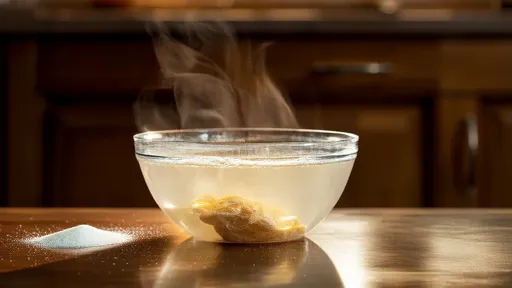
The science behind this method is straightforward yet fascinating. Warm water, typically around 40-50°C (104-122°F), helps to break down the cellular structure of dried foods more quickly than cold water. The addition of sugar—about a teaspoon per cup of water—creates a mild osmotic pressure that encourages moisture absorption. This combination not only speeds up the process but often improves the texture and flavor of the rehydrated ingredient compared to plain water soaking.
Why does this method work so well? The answer lies in the basic principles of food chemistry. When foods are dehydrated, their cell walls collapse and moisture is removed. Rehydration is essentially the reverse process, where water molecules need to penetrate these shrunken cells. Warm water molecules move more energetically, facilitating faster penetration, while the sugar solution helps maintain the ingredient's cellular structure during rehydration, preventing mushiness.
Different ingredients benefit from this technique in various ways. For dried mushrooms like shiitake or porcini, the warm sugar water not only revives them faster but can enhance their natural umami flavors. When applied to dried fruits such as apricots or raisins, the method helps them regain plumpness while adding a subtle sweetness that balances their natural tartness. Even dried seafood like scallops or shrimp respond well to this approach, regaining a texture closer to their fresh counterparts.
Practical application of this technique requires some finesse. The water temperature should be warm but never hot—excessive heat can cook the ingredient rather than rehydrate it. Timing varies depending on the size and density of the dried food, with most ingredients requiring 15-30 minutes. It's crucial to pat dry rehydrated ingredients before use, especially if they'll be cooked further, as excess moisture can affect cooking performance and flavor concentration.
Professional kitchens have quietly used this method for decades, though it's rarely discussed in cookbooks or cooking shows. The difference in quality becomes immediately apparent when comparing traditionally rehydrated ingredients with those treated with warm sugar water. The latter typically exhibit better texture retention, more vibrant color, and more pronounced flavor. This makes the technique particularly valuable when working with premium dried ingredients where quality preservation is paramount.
Beyond its practical benefits, this rehydration method offers economic advantages. By significantly reducing soaking time—often by half or more—it allows for better kitchen efficiency. For home cooks, it means less planning ahead required when incorporating dried ingredients into meals. The improved texture and flavor also mean that rehydrated ingredients can more effectively stand in for fresh ones in recipes, potentially saving costs when fresh versions are out of season or prohibitively expensive.
As with any culinary technique, there are exceptions and variations to consider. Some delicate herbs and flowers might require cooler temperatures to prevent flavor loss. Certain applications might benefit from substituting sugar with salt or other seasonings depending on the desired final flavor profile. Experienced cooks often develop their own variations of this basic method, adjusting temperature, sweetener amount, and soaking time to suit specific ingredients and dishes.
The environmental implications of this technique are worth noting as well. By improving the quality and versatility of dried ingredients, it encourages their use over fresh imports that may have higher carbon footprints. Dried foods already have excellent shelf life, and this enhanced rehydration method makes them even more practical for sustainable cooking practices. In an era of increasing focus on reducing food waste and environmental impact, such small but impactful techniques gain added significance.
While modern cooking continues to embrace high-tech equipment and innovative ingredients, it's refreshing to discover that some of the most effective kitchen techniques remain beautifully simple. The warm sugar water rehydration method exemplifies how understanding basic food science can lead to dramatically better results with minimal extra effort. As more cooks discover and share this technique, it's likely to move from professional kitchen secret to mainstream culinary practice, one perfectly rehydrated mushroom at a time.
By /Aug 11, 2025
By /Aug 11, 2025
By /Aug 11, 2025
By /Aug 11, 2025
By /Aug 11, 2025
By /Aug 11, 2025
By /Aug 11, 2025
By /Aug 11, 2025
By /Aug 11, 2025
By /Aug 11, 2025
By /Aug 11, 2025
By /Aug 11, 2025
By /Aug 11, 2025

By /Aug 11, 2025

By /Aug 11, 2025
By /Aug 11, 2025
By /Aug 11, 2025
By /Aug 11, 2025
By /Aug 11, 2025
By /Aug 11, 2025
